
Building muscle requires more than adding weight to a bar. Resistance training provides the stimulus, while sufficient energy, protein, carbohydrates, sleep, and recovery create the conditions in which the body can adapt. For many gym-goers, the most useful nutrition plan is not the one with the longest supplement list; it is the one that can be followed consistently around work, family commitments, appetite, budget, and training time. A practical approach starts with regular meals, adequate total calories, and a realistic protein target, then considers supplements only when they add convenience or have a clear purpose.
Start with total calories and a realistic goal
Muscle gain is easier to support when daily energy intake is not consistently below the body’s needs. A small calorie surplus may be appropriate for someone prioritizing size, while a beginner, a person returning after a training break, or someone with higher body-fat levels may see progress without deliberately adding many calories. The useful signal is not a single weigh-in but the trend across several weeks, alongside gym performance, measurements, appetite, and recovery. Rapid weight gain can include unnecessary fat and water, so a measured approach is generally easier to adjust.
A simple starting structure is three meals plus one or two snacks, with each main meal containing a clear protein source, a carbohydrate source, vegetables or fruit, and a source of dietary fat. Examples include eggs with oats and berries, chicken with rice and vegetables, Greek yogurt with fruit and granola, or tofu with noodles and edamame. If body weight and training performance remain unchanged for several weeks, portions can be reviewed. If digestion, sleep, or appetite becomes poor, the plan may be too aggressive.
Set protein intake across the day
The International Society of Sports Nutrition states that exercising individuals generally need about 1.4–2.0 grams of protein per kilogram of body weight per day, with the exact amount depending on training, protein quality, energy intake, and individual circumstances. For a 70-kilogram adult, that range equals roughly 98–140 grams daily. This is a planning reference rather than a universal prescription, and people with kidney disease, pregnancy, or other medical considerations should obtain individualized advice from a qualified health professional.
Distribution also matters for practicality. Instead of placing nearly all protein at dinner, many people find it easier to include a meaningful serving at breakfast, lunch, a post-training meal, and an evening snack. Foods such as milk, yogurt, eggs, fish, poultry, lean meat, tofu, tempeh, beans, and lentils can all contribute. Combining plant proteins across the day is a useful option for vegetarian and vegan diets, while fortified soy products and a well-planned variety of foods can make protein targets more manageable.
Use carbohydrates to support hard training
Carbohydrates are a major fuel source for resistance training, especially when sessions include multiple exercises, higher volume, or short rest periods. Cutting them too aggressively may leave some lifters feeling flat, distracted, or unable to complete planned sets. Helpful choices include rice, potatoes, oats, whole-grain bread, pasta, fruit, beans, and cereal. The amount should reflect training volume, body size, appetite, and the rest of the diet rather than a fixed rule applied to everyone.
Meal timing can be flexible, but a meal or snack containing carbohydrates and protein in the hours before training is often convenient. A banana with yogurt, toast with eggs, or a rice bowl with chicken can work for different schedules. After training, a normal mixed meal is usually sufficient; there is no need to treat a narrow post-workout window as an emergency. When the next full meal is far away, milk, a whey shake, fruit, or a sandwich can offer a practical bridge.
Understand what supplements can and cannot do
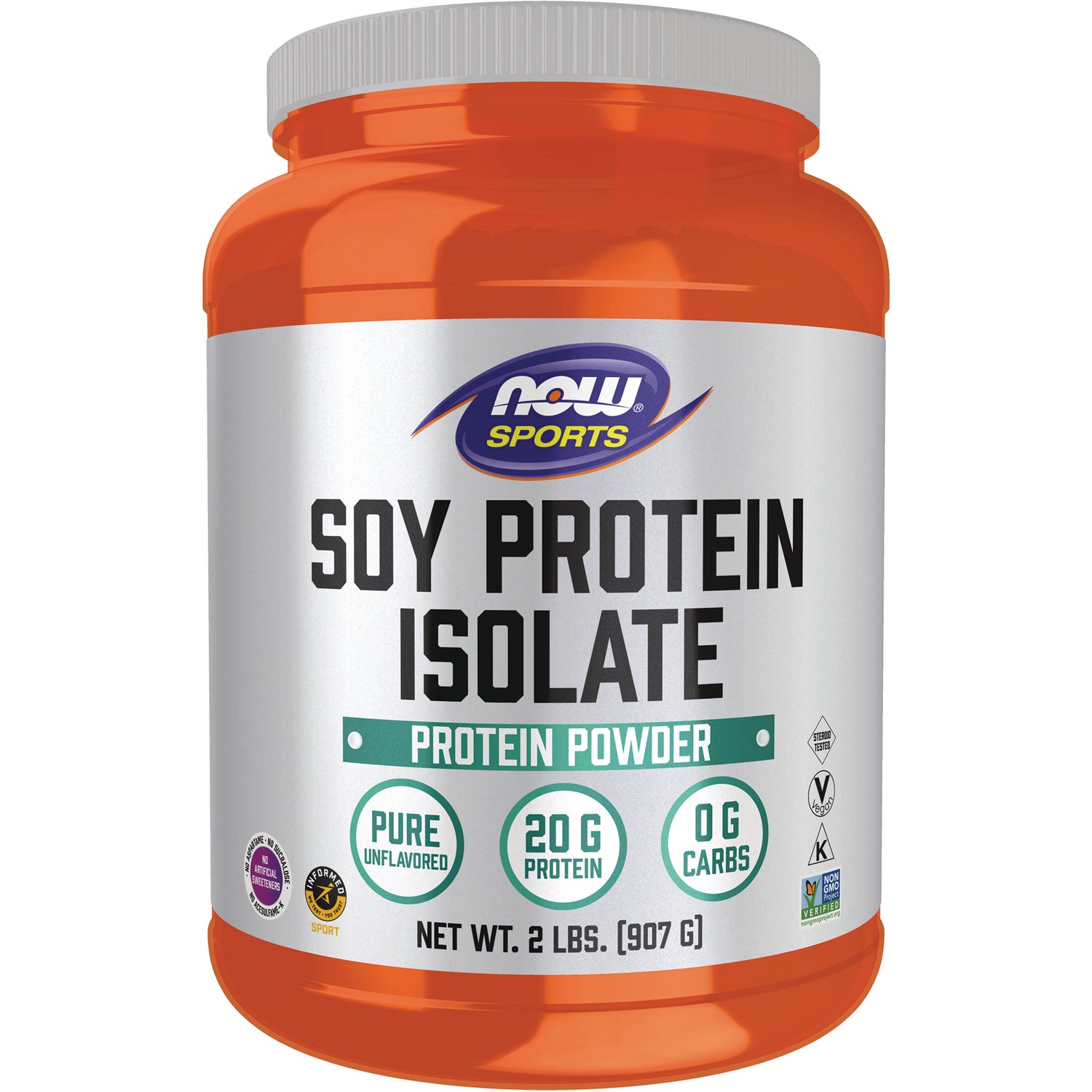
Supplements are optional tools, not substitutes for adequate food and structured training. Whey protein is useful when a person struggles to prepare or eat enough protein, but it is nutritionally a convenient food product rather than a requirement for muscle gain. A serving can be mixed with milk or water, blended with oats and fruit, or added to yogurt. Labels should be checked for serving size, protein content, allergens, added sugar, and independent quality testing where available.
Creatine monohydrate has the strongest practical rationale among commonly used performance supplements for repeated, high-intensity efforts such as weight training. The National Institutes of Health Office of Dietary Supplements describes creatine as generally safe for healthy adults, while noting that water retention and associated weight gain can occur. People with kidney concerns, those taking relevant medicines, adolescents, and pregnant or breastfeeding individuals should seek professional guidance before using it. Pre-workout products, fat burners, hormone-related products, and proprietary blends deserve extra caution because ingredient amounts and product quality can vary.
Build an easy meal template
A repeatable template reduces decision fatigue and makes nutrition easier during busy weeks. Each main meal can begin with a palm-sized portion of protein, a generous serving of a carbohydrate food, at least one colorful fruit or vegetable, and a moderate amount of fat such as olive oil, avocado, nuts, seeds, or cheese. Portions can be adjusted according to hunger, training demands, and body-weight trends. Batch cooking rice, potatoes, lean protein, roasted vegetables, and sauces on the weekend can make weekday meals more consistent without requiring identical menus every day.
For a busy office worker, breakfast might be overnight oats with Greek yogurt and fruit; lunch could be a chicken, rice, and vegetable bowl; an afternoon snack might be cottage cheese with fruit; and dinner could be salmon, potatoes, and salad. A vegetarian version could use tofu, lentils, edamame, soy yogurt, and whole grains. These examples are starting points, not medical meal plans. Food allergies, gastrointestinal conditions, cultural preferences, and dietary restrictions should shape the final plan.
Track progress without overreacting
Nutrition decisions should be based on several signals rather than daily scale changes. Weekly body-weight averages, training logs, waist and limb measurements, gym performance, hunger, sleep, and digestion provide a more useful picture than one morning’s number. If performance is stagnant and weight is unchanged for several weeks, a modest increase in food may be reasonable. If weight rises quickly while waist measurements and discomfort also increase, portions can be reviewed before making a large change.
Recovery remains part of the nutrition strategy. Consistent sleep, adequate fluids, rest days, and progressive resistance training all influence how the body responds to food. A supplement cannot compensate for irregular training or chronically insufficient sleep. Because this topic involves health and individual risks, the information is for general reference only; a registered dietitian, sports nutrition professional, or physician can personalize targets when medical conditions, medication use, disordered eating history, or unusually demanding training is involved.