
Choosing sports supplements can feel overwhelming, especially for people who are just starting to train more seriously or returning to exercise after a long break. Shelves are full of drinks, powders, gels and tablets, all promising to support performance, body composition or daily energy. Instead of chasing bold claims, it is more useful to understand the main categories, typical ingredients and common use scenarios. With that basic map, recreational runners, gym-goers and team sport players can compare labels calmly, decide what is really necessary, and avoid buying products that do not match their goals, budget or lifestyle. This article focuses on general fitness and amateur sports, and the information is for reference only, not a substitute for personalized advice from a doctor or registered dietitian.
Understanding the role of sports supplements
Sports supplements sit on top of everyday eating, they do not replace balanced meals, regular sleep and appropriate training. Many active people can cover most of their needs through normal food, especially if they plan meals around carbohydrates, protein, healthy fats and a variety of fruits and vegetables. Supplements become relevant when timing, convenience or very high training volume make it difficult to get everything from meals. For example, a runner who finishes late-night intervals may find it easier to drink a protein shake and a banana than to cook a full dinner. Competitive athletes sometimes use specific products under professional guidance, based on research from sports nutrition and exercise physiology. For most people, the safe starting point is to check whether their basic diet is consistent before adding powders or pills, and to keep realistic expectations about what supplements can or cannot contribute.
Main categories of sports supplements
Sports supplements can be grouped by their primary function and typical timing around a workout. Hydration products such as sports drinks and electrolyte tablets mainly supply water, sodium and other minerals in situations with heavy sweating, hot environments or long sessions. Energy focused products, including energy gels, chews and bars, provide easily digested carbohydrates to support longer runs, cycling or tournaments with multiple matches. Protein-based items like whey, casein or plant protein powders are often used after training or between meals to support daily protein targets. There are also so-called performance aids such as caffeine, creatine or beta-alanine, which are studied more in athlete populations and should be approached carefully, especially by younger users or people with health conditions. Reading labels by category helps consumers compare similar products instead of mixing completely different purposes.
Hydration, sports drinks and electrolytes
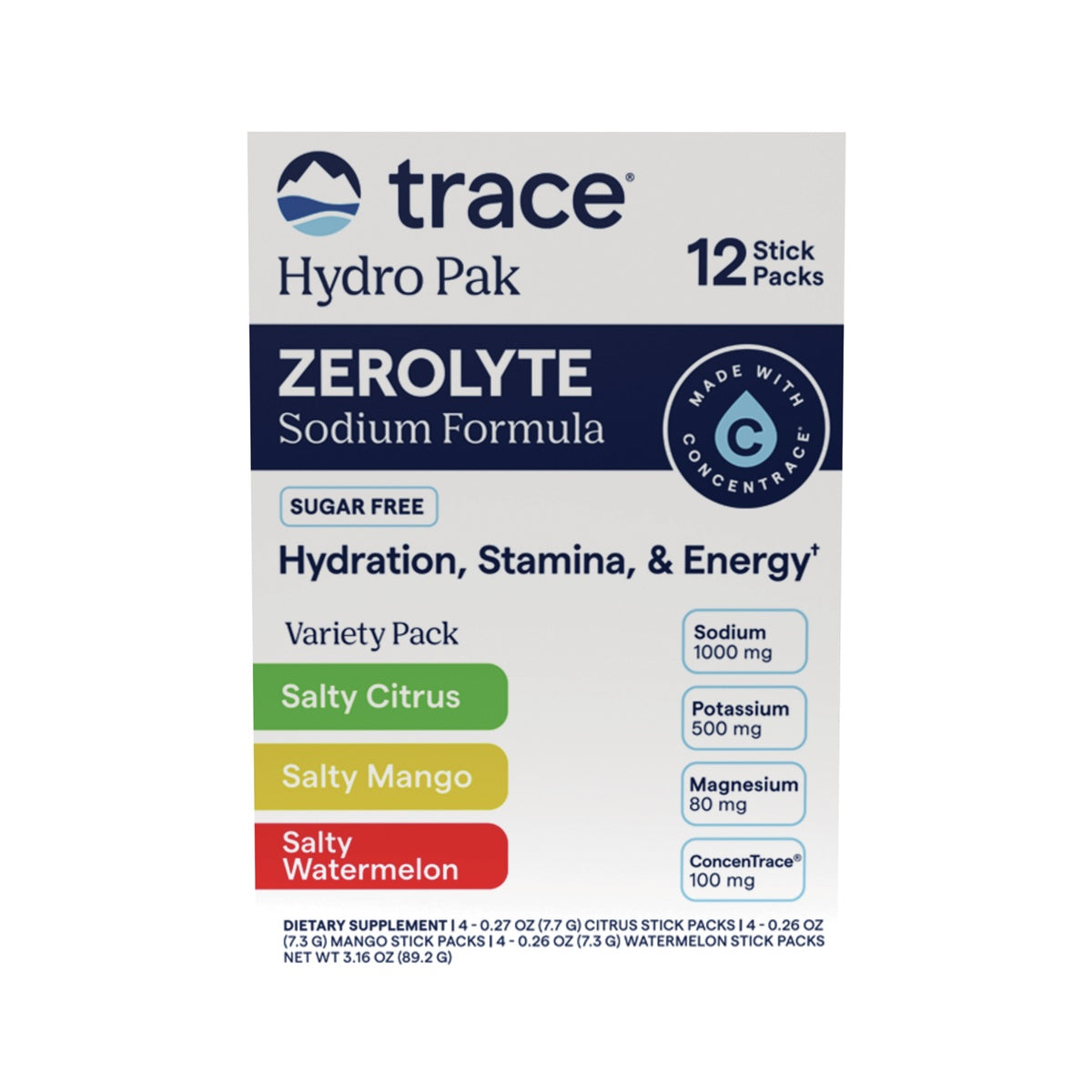
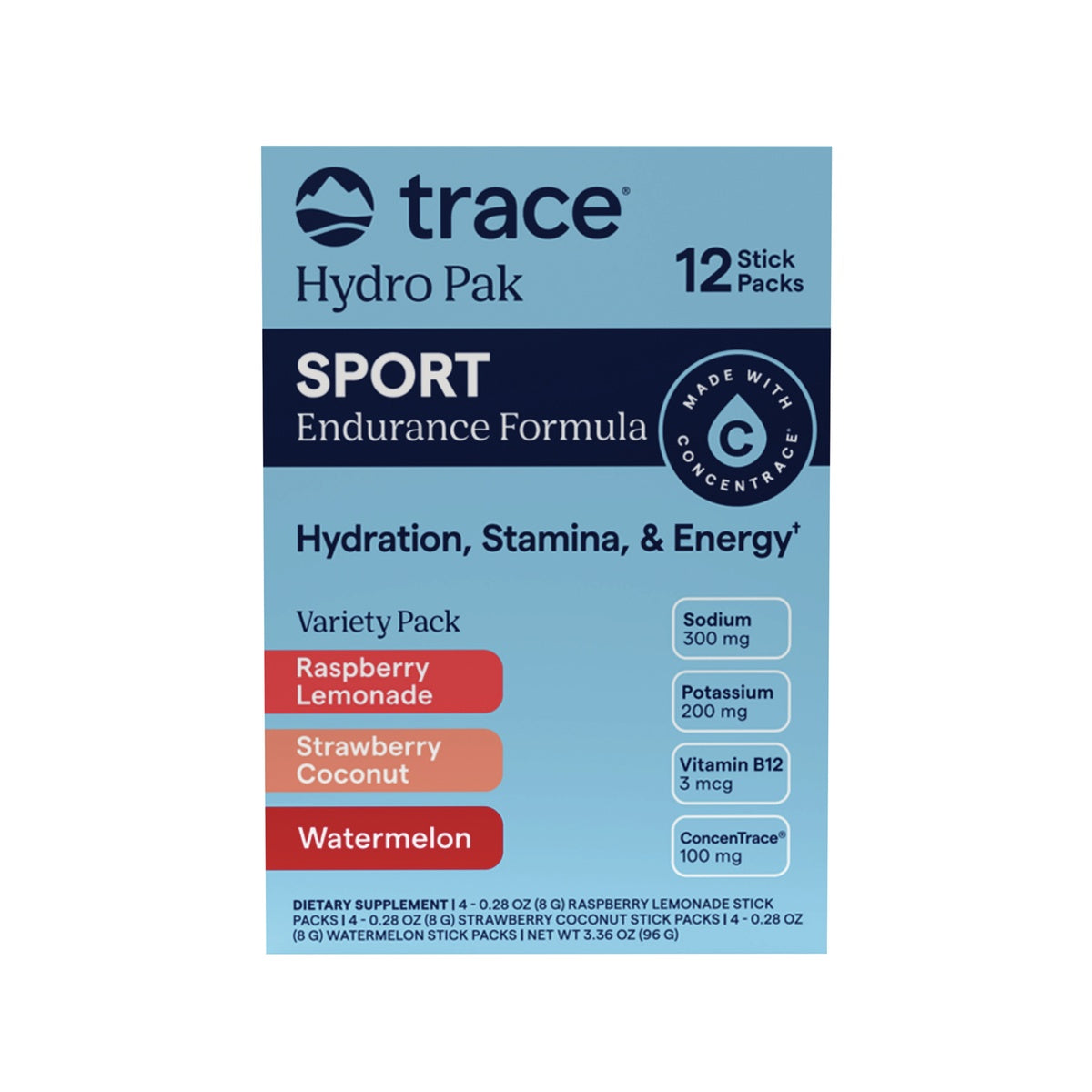
Hydration strategies depend on exercise length, intensity and climate, so not everyone needs a sports drink for every short, easy session. For workouts under about an hour in moderate conditions, many people simply use water and later restore minerals through regular meals that include salty foods, dairy products, fruits and vegetables. Sports drinks that mix water, carbohydrate and electrolytes are commonly used for long endurance events, team sports with continuous play or training camps with multiple sessions per day. In those cases, the combination of fluid and sodium can support ongoing fluid balance while carbohydrates provide a steady energy source. Some athletes prefer zero or low sugar electrolyte tablets when they want to focus mainly on fluid and mineral intake, for example during lighter sessions in hot weather. When choosing, users can look at sugar content per serving, sodium level, flavor preference and whether they tolerate the drink well during movement.
Energy gels, bars and convenient fuel options
Energy gels and bars are designed for situations where carrying normal food is impractical, such as marathon running, long bike rides or mountain hikes. Gels typically offer concentrated carbohydrates in a small package that can be swallowed quickly with water, making them popular in races or long intervals. Energy bars, on the other hand, may combine carbohydrates with some protein and fat, which can be more satisfying for long training days, tournaments or travel between venues. For sessions over ninety minutes, recreational endurance athletes often experiment with small amounts of fuel every thirty to forty-five minutes, adjusting timing based on stomach comfort and pace. When choosing, it is useful to compare carbohydrate grams per serving, fiber content, texture and flavors, and to test products in training long before any important event to avoid surprises on the day.
Protein powders and recovery-oriented products
Protein powders are among the most widely used supplements in gyms, but they are not mandatory for everyone who exercises. Many people can meet daily protein goals by coordinating meals that include eggs, dairy, tofu, legumes, fish or meat across breakfast, lunch, dinner and snacks. Protein powders become practical when work schedules or appetite make it hard to eat enough whole food, or when someone wants a quick option immediately after training before a larger meal later. Whey protein is often chosen for its rapid digestion, while casein or some plant blends are slower and sometimes taken in the evening. When selecting a powder, buyers can consider taste, mixability with water or milk, ingredient list, potential allergens and the amount of protein per scoop relative to price. Checking whether the product has been independently tested for quality can also be reassuring, especially for athletes who undergo doping control.
Caffeine and other performance-related supplements
Caffeine is a common ingredient in pre-workout powders, energy drinks and some gels, and research in sports science has reported performance benefits in certain endurance and high-intensity efforts when used in appropriate doses. Sensitivity varies widely, and some people experience jitteriness, sleep disruption or digestive discomfort even at relatively low amounts, so testing individual response in training is important. Because caffeine also appears in coffee, tea and chocolate, total daily intake should be monitored to avoid unintended excess. Other popular performance-related supplements include creatine monohydrate, often used in strength and power sports, and beta-alanine, which is associated with high-intensity repeated efforts; these products are typically studied in trained individuals rather than general fitness populations. People with kidney, heart or other medical conditions, as well as teenagers and pregnant individuals, are usually advised to consult a health professional before considering such supplements, and to rely on conservative dosing guidelines rather than aggressive loading schemes promoted in advertisements.
How to choose supplements wisely and safely
A practical way to approach supplement shopping is to move through a simple checklist before making a purchase. First, clarify the main goal, whether it is supporting long endurance sessions, hitting daily protein targets or organizing hydration during summer training, and skip products that do not serve that purpose. Second, look at the ingredient list and nutrition facts panel, paying attention to total carbohydrate, protein, sugar, sodium and caffeine per serving rather than only marketing slogans on the front of the package. Third, consider budget and frequency of use, since some items used daily can add a noticeable monthly cost, while others might only be needed for occasional races or camps. Fourth, think about practicality: people who dislike sweet drinks might prefer capsules or tablets, while those with sensitive digestion may favor simpler formulas with fewer additives. For anyone with existing health issues or who takes regular medication, it is strongly recommended to discuss planned supplement use with a doctor or qualified dietitian, and to treat articles like this as general education rather than individualized medical guidance.
Final thoughts and practical next steps
Sports supplements can be useful tools when matched carefully to a person’s training pattern, preferences and overall nutrition, but they are not shortcuts that replace consistent habits. Beginners often benefit more from focusing on regular meal timing, sufficient sleep and gradual progression in workouts than from building a large collection of products. As experience grows, individuals can experiment systematically with one type of supplement at a time, such as trying a basic sports drink during long runs or adding a simple protein shake after evening sessions, while tracking how they feel. Keeping a small training and fueling journal can reveal which combinations fit well and which cause discomfort or feel unnecessary. Whenever doubts arise about ingredients, doses or interactions with health conditions, consultation with a healthcare professional remains the most reliable route. Information in this guide is intended as a starting point for learning and should be combined with personal judgement and expert advice where needed.