Blood vessels constantly respond to changes in blood flow, pressure, temperature, activity, and stress. Their ability to expand and contract is often discussed as vascular elasticity, but nutrition is only one part of this picture. Age, smoking, sleep, physical activity, body composition, blood pressure, blood sugar, cholesterol, medications, and existing medical conditions also matter. A practical eating pattern cannot promise a specific medical outcome, yet it can provide nutrients associated with a heart-supportive lifestyle.
This guide explains how omega-3 fats, fiber, nuts, fatty fish, vegetables, fruit, legumes, whole grains, and sodium awareness can fit into everyday meals. The goal is not to chase one “magic” food, but to build a consistent pattern that is realistic for busy schedules, family dining, restaurant meals, and different budgets. Health information is for general reference only; people with cardiovascular disease, kidney disease, hypertension, diabetes, or prescribed dietary restrictions should discuss personal choices with a qualified healthcare professional.
Why the Overall Eating Pattern Matters
Vascular health is influenced by the combined quality of the diet rather than one isolated nutrient. A pattern centered on vegetables, fruit, legumes, whole grains, seafood, unsalted nuts and seeds, and unsaturated oils generally offers fiber, minerals, plant compounds, and healthier fat choices. It also makes it easier to replace highly processed foods that may be high in sodium, added sugar, refined starch, or saturated fat. Current U.S. dietary guidance lists seafood, beans, peas, lentils, nuts, seeds, soy foods, and vegetables among nutrient-dense food choices, while recommending sodium below 2,300 milligrams per day for most adults.
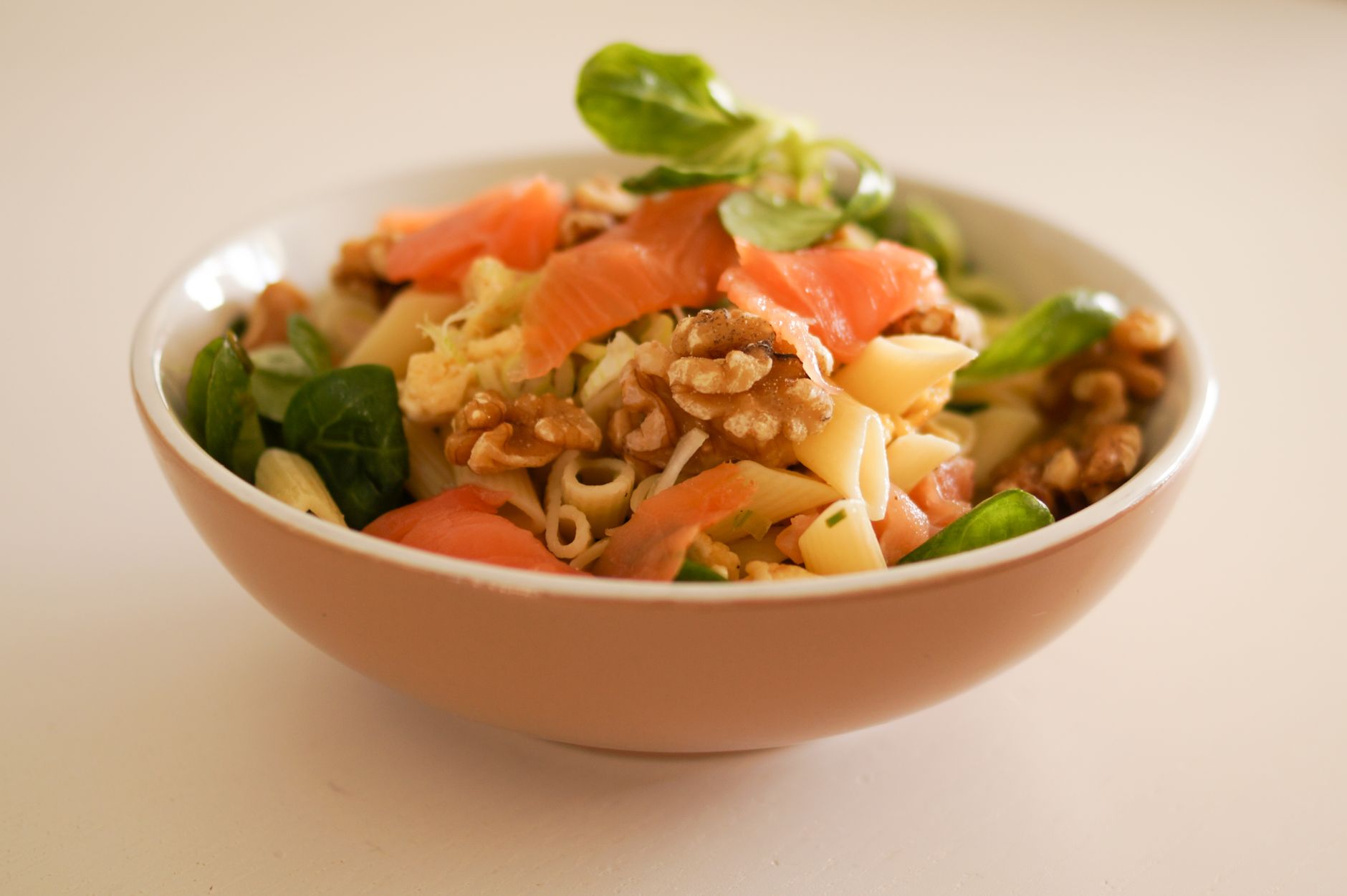
A familiar plate can make this approach easier to apply: half vegetables or salad, one quarter beans, fish, poultry, tofu, or another protein food, and one quarter whole grains or starchy vegetables. For example, a weeknight meal might combine roasted vegetables, brown rice, and baked salmon, while a lower-cost option could use lentils, frozen spinach, oats, and unsalted peanuts. The pattern remains flexible, and cultural foods can stay on the menu when portions, preparation methods, and sodium sources are considered.
Omega-3 Fats and Fatty Fish
Omega-3 fatty acids include EPA and DHA, found mainly in seafood, and ALA, found in plant foods such as walnuts, chia seeds, and flaxseed. Fatty fish such as salmon, sardines, trout, herring, and mackerel are practical sources of EPA and DHA. The American Heart Association recommends one to two servings of seafood per week as part of a heart-supportive eating pattern, particularly when seafood replaces less nutritious choices. This recommendation is about the overall dietary pattern, not a guarantee that fish alone will change vascular function.
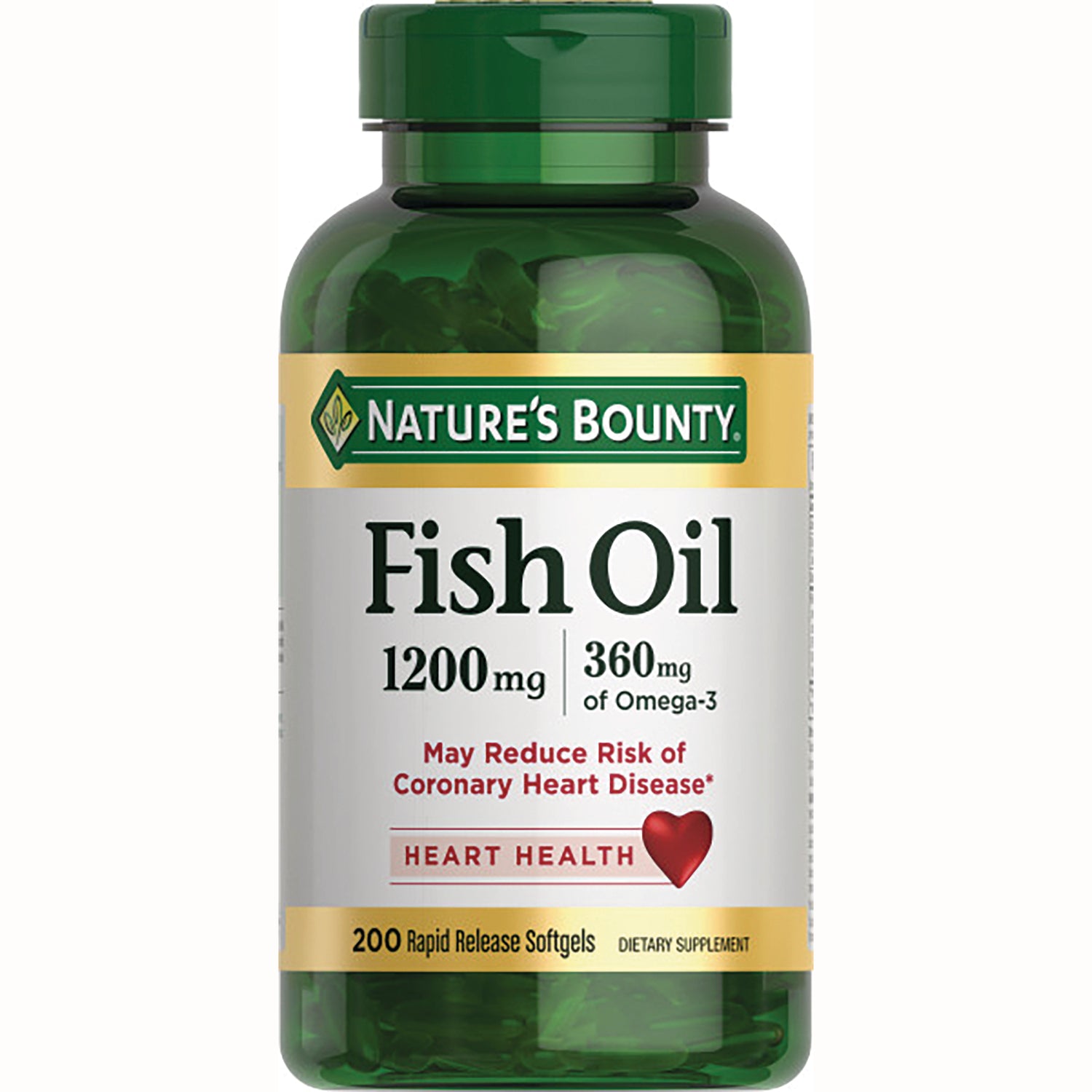
Preparation can determine whether a seafood meal remains balanced. Baking, steaming, grilling, or adding fish to a vegetable and grain bowl usually requires less added fat and salt than deep-frying or covering it with a heavily salted sauce. Canned sardines or salmon can be convenient, but labels should be checked for sodium, and rinsing may be useful when appropriate. Omega-3 supplements are not automatically necessary for healthy adults; people with heart disease, those taking anticoagulants, and anyone considering high-dose products should seek individualized medical advice.
Fiber from Whole Plant Foods
Dietary fiber comes from foods such as oats, barley, beans, lentils, chickpeas, vegetables, fruit, nuts, seeds, and whole-grain breads or pasta. Soluble fiber in foods including oats, barley, beans, apples, and citrus forms part of a varied eating pattern that many people use when paying attention to cholesterol and cardiovascular risk factors. Other fibers add bulk and support regular bowel habits. Because fiber-rich foods also provide minerals and plant compounds, replacing refined snack foods with whole plant foods can improve the nutritional profile of a meal without requiring complicated recipes.
A gradual approach is usually easier to maintain. Breakfast could include oatmeal with berries and ground flaxseed; lunch might feature a bean-and-vegetable soup with whole-grain bread; dinner could include barley, lentils, or chickpeas alongside vegetables. Increased fiber should be paired with adequate fluids unless a clinician has provided different instructions. Reading labels can also reveal whether a product is genuinely whole grain or simply marketed with a dark color and health-focused wording.
Nuts, Seeds, and Unsaturated Fats
Nuts and seeds provide unsaturated fats, fiber, plant protein, and several micronutrients. Walnuts, almonds, pistachios, pumpkin seeds, chia seeds, and ground flaxseed can be added to oatmeal, yogurt, salads, grain bowls, or vegetable dishes. Their energy density means a small handful can be enough for a snack, especially when the rest of the meal already contains oils, avocado, cheese, or other sources of fat. Choosing unsalted versions makes sodium management simpler.
The most useful substitution is often more important than simply adding food. A person might replace chips with unsalted almonds, butter-heavy toast with a spread containing olive oil or avocado, or a sugary dessert topping with fruit and chopped walnuts. Nut butters can work well, but ingredient lists should be checked for added sugar, excess sodium, and partially hydrogenated oils. Anyone with a nut allergy needs suitable alternatives, such as seeds, beans, or approved allergen-free products, and should follow medical guidance for allergy safety.
Sodium Awareness Without Losing Flavor
Sodium is found in table salt as well as many packaged and restaurant foods. Bread, deli meats, instant noodles, canned soups, sauces, pickles, snack foods, frozen meals, and seasoning blends can contribute substantial amounts even when a meal does not taste extremely salty. A lower-sodium approach does not require bland food; it can rely on garlic, ginger, scallions, citrus zest, vinegar, pepper, herbs, toasted spices, mushrooms, and unsalted stock. Comparing labels across similar products often reveals large differences.
Small changes accumulate across the day. Choosing plain oats instead of an instant flavored packet, rinsing canned beans, selecting fresh or frozen vegetables without sauce, and requesting dressings or sauces on the side can make meals easier to customize. Restaurant dishes may contain more sodium than expected, so sharing an entrée, selecting grilled foods, and balancing the meal with unsauced vegetables can be practical options. People with hypertension, kidney disease, heart failure, or fluid restrictions should not set a personal sodium target without professional advice.
Building a Practical Weekly Routine
A sustainable plan begins with meals that can be repeated, adapted, and prepared with ordinary ingredients. A simple shopping list might include frozen vegetables, seasonal fruit, oats, brown rice or barley, beans, lentils, unsalted nuts, seeds, plain yogurt, eggs, tofu, and two seafood options. Batch-cooking grains and legumes can shorten weekday preparation, while keeping canned fish or low-sodium beans available can reduce dependence on heavily processed convenience meals. The aim is consistency rather than perfection.
A seven-day rotation could include oatmeal with walnuts, a lentil salad, grilled sardines with vegetables, tofu and barley, or salmon with roasted broccoli. Snacks can combine fruit with unsalted nuts, plain yogurt with seeds, or vegetables with a bean-based dip. During travel or busy workdays, the same principles can guide choices at supermarkets, cafés, and restaurants: look for vegetables, beans, seafood, whole grains, and sauces served separately. If blood pressure, cholesterol, glucose, or symptoms are a concern, nutrition changes should complement—not replace—clinical assessment and prescribed care.
The most reliable nutrition strategy for vascular health is a varied eating pattern practiced over time. Omega-3-rich seafood, fiber-rich plants, unsalted nuts and seeds, and careful attention to sodium can all have a place, but no single food determines a person’s cardiovascular status. Gradual substitutions, label awareness, home cooking when practical, regular movement, adequate sleep, and professional guidance for medical conditions create a more complete framework. Personal needs differ, so dietary changes should be adjusted with a registered dietitian or clinician when medications or chronic conditions are involved.
The information in this article is for reference only and does not constitute professional advice. For specific decisions, please consult a relevant professional based on your personal situation.