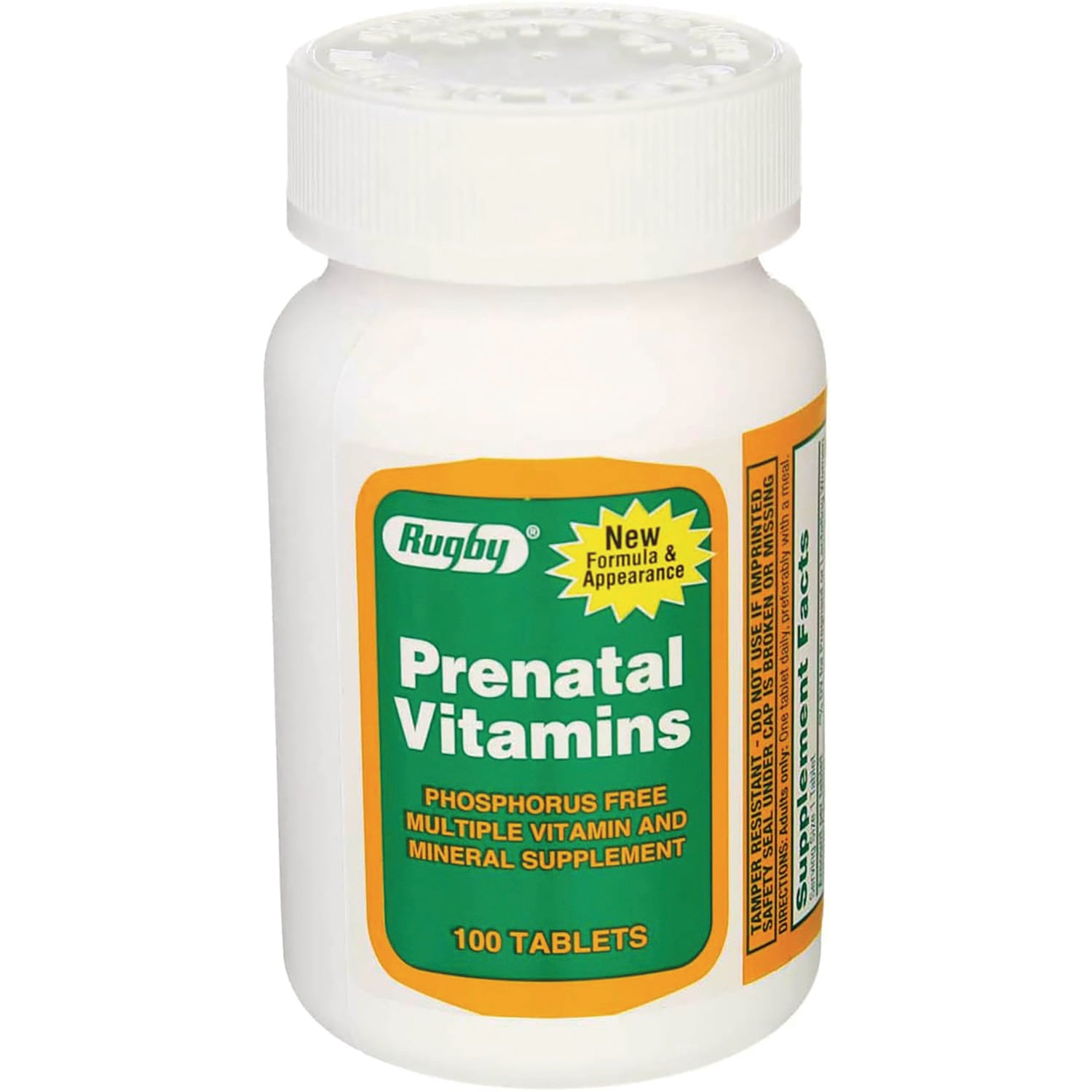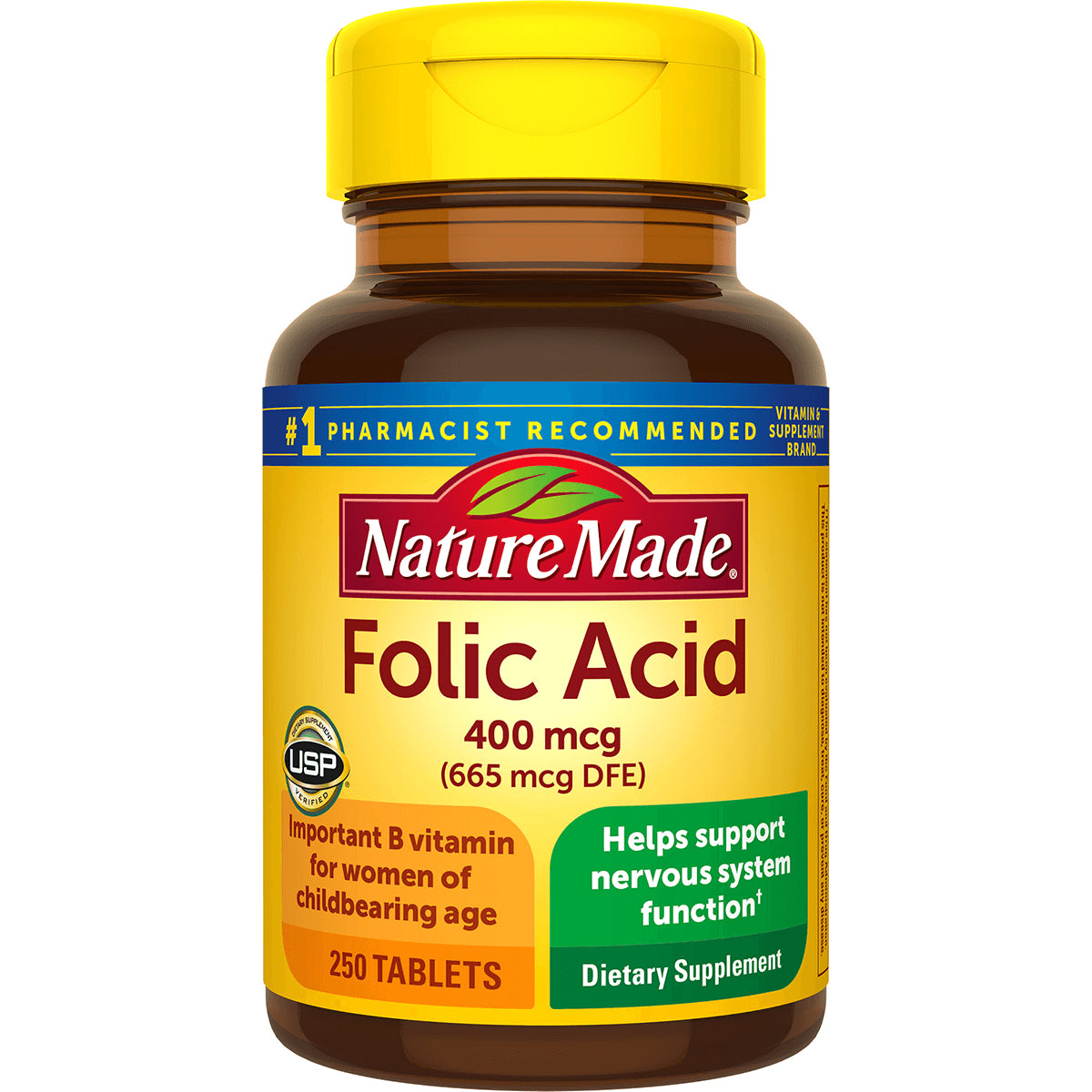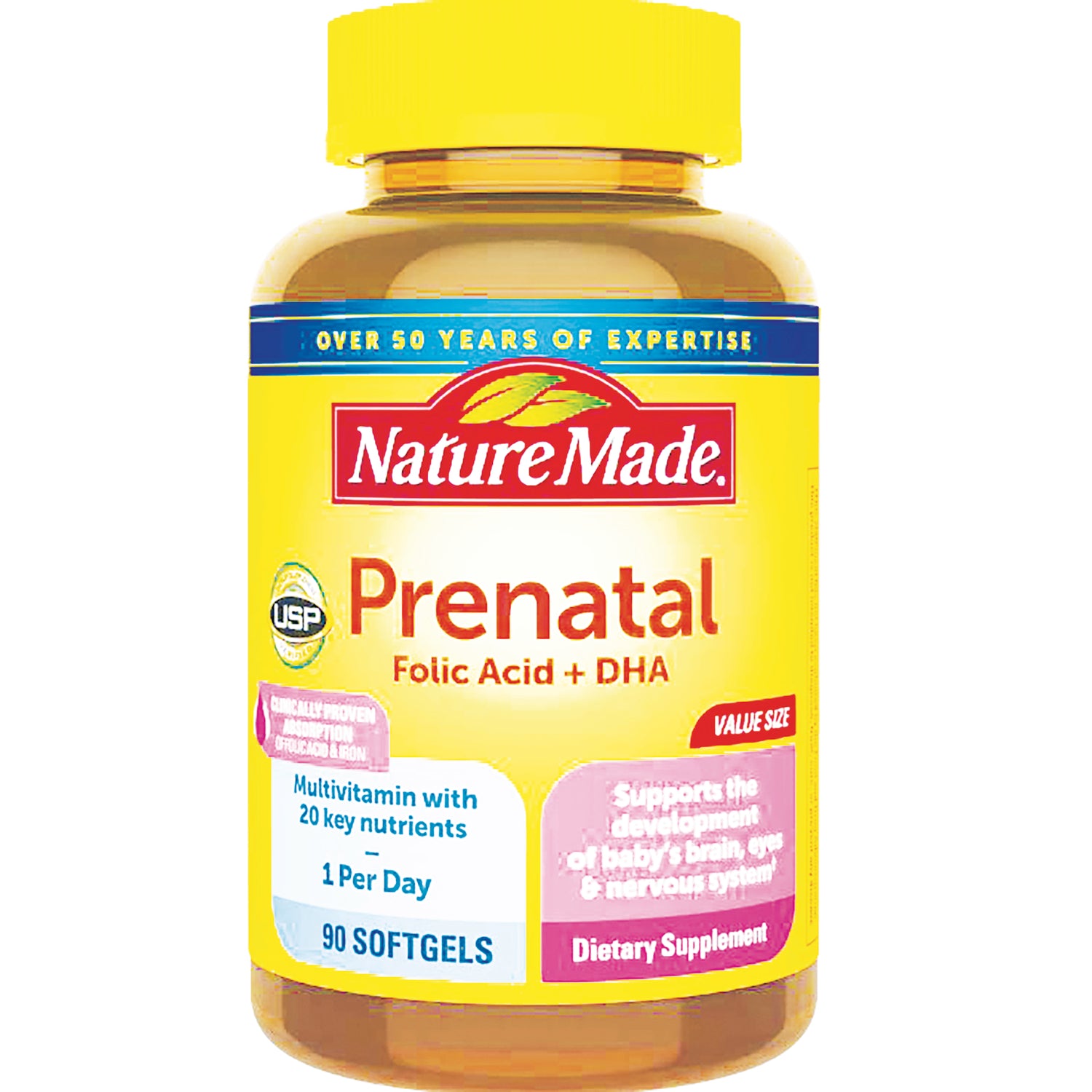

Pregnancy nutrition is not a one-time checklist. Nutrient priorities shift as the embryo develops, the placenta grows, blood volume expands, and the body prepares for birth and feeding. A prenatal supplement can fill dietary gaps, but it does not replace balanced meals or individualized medical care. The most useful approach is to review the three trimesters separately, understand which nutrients commonly receive attention, and check the label of any supplement before combining products. Guidance from professional organizations differs by country, health history, diet, laboratory results, and access to iodized foods, so the amounts below are general reference points rather than personal prescriptions.
First trimester: build the foundation early
The first trimester is the stage in which folic acid receives the most urgent attention because neural tube development occurs very early, sometimes before pregnancy is confirmed. U.S. guidance commonly recommends a daily prenatal supplement containing at least 400 micrograms of folic acid beginning at least one month before conception and continuing through the first 12 weeks; total folate needs during pregnancy are often listed as 600 micrograms of dietary folate equivalents. A standard prenatal vitamin may also contain iron, iodine, vitamin D, and other nutrients, but formulas vary widely. People with a previous pregnancy affected by a neural tube defect, certain medications, malabsorption conditions, or other risk factors may need a clinician-prescribed plan rather than a higher dose chosen independently.
Early pregnancy can also bring nausea, vomiting, food aversions, or irregular meal patterns. Instead of adding several separate products, many people find it easier to review one prenatal formula with a pharmacist or obstetric clinician and identify genuine gaps. Iron is important, but extra iron can cause constipation, nausea, or abdominal discomfort, so the appropriate amount depends on the product, diet, blood count, ferritin results, and local guidance. Vitamin A deserves particular care: supplements containing preformed vitamin A as retinol, including some cod-liver-oil products, should not be added casually during pregnancy. Food sources of beta-carotene are handled differently, but supplement labels still deserve close inspection.
Second trimester: support expanding needs
During the second trimester, the pregnancy enters a period of substantial growth and the mother’s blood volume continues to expand. Iron becomes especially relevant because iron is used in hemoglobin production and dietary needs can become harder to meet. The World Health Organization lists daily iron supplementation alongside folic acid for pregnant women, while clinical practice in some regions uses blood tests to identify anemia or iron deficiency and then adjusts treatment. These approaches are not identical, so a prenatal vitamin should not be treated as a substitute for screening. A clinician may recommend a different preparation, timing schedule, or dose when laboratory results show a deficiency.
Calcium and vitamin D also deserve a practical review, particularly when dairy products, fortified alternatives, or other calcium-rich foods are limited. Calcium is found in milk, yogurt, cheese, calcium-set tofu, fortified plant beverages, and some fish eaten with edible bones; vitamin D sources include fortified foods, eggs, and safe sunlight exposure where appropriate. Calcium and iron can compete for absorption when taken together, so spacing them may be useful if both are prescribed or included in separate products. The exact schedule should follow product instructions and professional advice, especially for people with kidney disease, thyroid conditions, digestive disorders, or a history of kidney stones.
Third trimester: review rather than simply add
The third trimester is a good time to audit the complete nutrition plan instead of automatically adding more capsules. Iron status may be reassessed during prenatal care, and a clinician can interpret hemoglobin and ferritin results together with symptoms and dietary intake. Iodine remains relevant for thyroid hormone production and fetal development, but iodine supplements are not interchangeable: some products contain too little, while kelp-based products can provide unpredictable amounts. A prenatal formula that includes iodine may be appropriate for some people, while others need a tailored plan based on local dietary patterns and medical history.
Omega-3 fats, especially DHA, may also be discussed during later pregnancy. Guidance summarized by the National Institutes of Health includes dietary or supplemental DHA and EPA targets, with different organizations using slightly different amounts. Low-mercury seafood such as salmon, sardines, trout, and shrimp can provide protein and omega-3 fats when prepared safely and selected according to local seafood advisories. People who avoid fish can ask about an algae-based DHA product. Cod liver oil should not be assumed to be equivalent to purified DHA because it may also contain preformed vitamin A.
How to choose and use a prenatal supplement
A useful comparison starts with the Supplement Facts panel rather than the front of the package. Check the amounts of folic acid or folate, iron, iodine, vitamin D, calcium, and vitamin B12, then compare the label with any separate products already being taken. “Prenatal” is not a single standardized formula, and gummies may contain little or no iron or calcium. Vegetarian, vegan, lactose-free, gluten-free, and allergy-conscious options can work, but they may require closer attention to B12, iodine, iron, calcium, vitamin D, choline, and DHA.
Timing can influence tolerability. Taking an iron-containing product with food may reduce nausea for some people, although calcium-rich foods and supplements can affect iron absorption, and tea or coffee may also be relevant around the same dose. If morning sickness makes swallowing difficult, a clinician or pharmacist can discuss alternative formulations rather than recommending multiple products at once. The full medication list should be reviewed because antacids, thyroid medicines, certain antibiotics, and other treatments may need separation from minerals. Keeping a photo of every label can make prenatal appointments more efficient and reduce accidental duplication.
Safety checks for different diets and health histories
Supplement decisions are more individualized when a person follows a vegan diet, has had bariatric surgery, experiences persistent vomiting, has anemia, takes anti-seizure medication, has thyroid disease, or has a history of kidney or liver problems. Food intake, fortified products, laboratory tests, and medication interactions all matter. High-dose folic acid, iron, iodine, vitamin D, or vitamin A should not be selected simply because a larger number appears more reassuring. More is not automatically better, and some nutrients can accumulate or create side effects when several products overlap.
A practical appointment checklist includes the exact prenatal brand, separate supplements, prescribed medicines, dietary pattern, nausea or vomiting frequency, and any history of deficiency. Questions can include whether iron testing is needed, whether the formula contains iodine, whether calcium should be separated from iron, and whether DHA is suitable for a fish-free diet. People should seek prompt medical advice for severe or persistent vomiting, fainting, unusual bleeding, significant abdominal pain, or other concerning symptoms. This guide is for general education only and does not replace advice from an obstetric clinician, midwife, dietitian, or pharmacist.
A trimester-based routine for everyday planning
A simple routine can make supplementation easier to manage. Before conception and through the first 12 weeks, the priority is confirming folic acid use and reviewing medication safety. In the second trimester, attention can shift toward iron status, adequate protein, calcium-rich foods, vitamin D sources, and tolerable meal patterns. In the third trimester, the focus is often on reviewing laboratory results, checking iodine and DHA sources, and avoiding duplicate ingredients as additional products are introduced.
Food remains the foundation across all three stages. Meals can combine vegetables or fruit, whole grains, beans or other protein foods, dairy or fortified alternatives, and safe sources of fish or plant-based omega-3 fats. A supplement works best as part of a documented plan: one product, a clear reason for each added nutrient, and periodic review when symptoms, test results, diet, or prescriptions change. Because pregnancy needs vary substantially, the safest next step is to bring the label and questions to a qualified healthcare professional before changing doses.