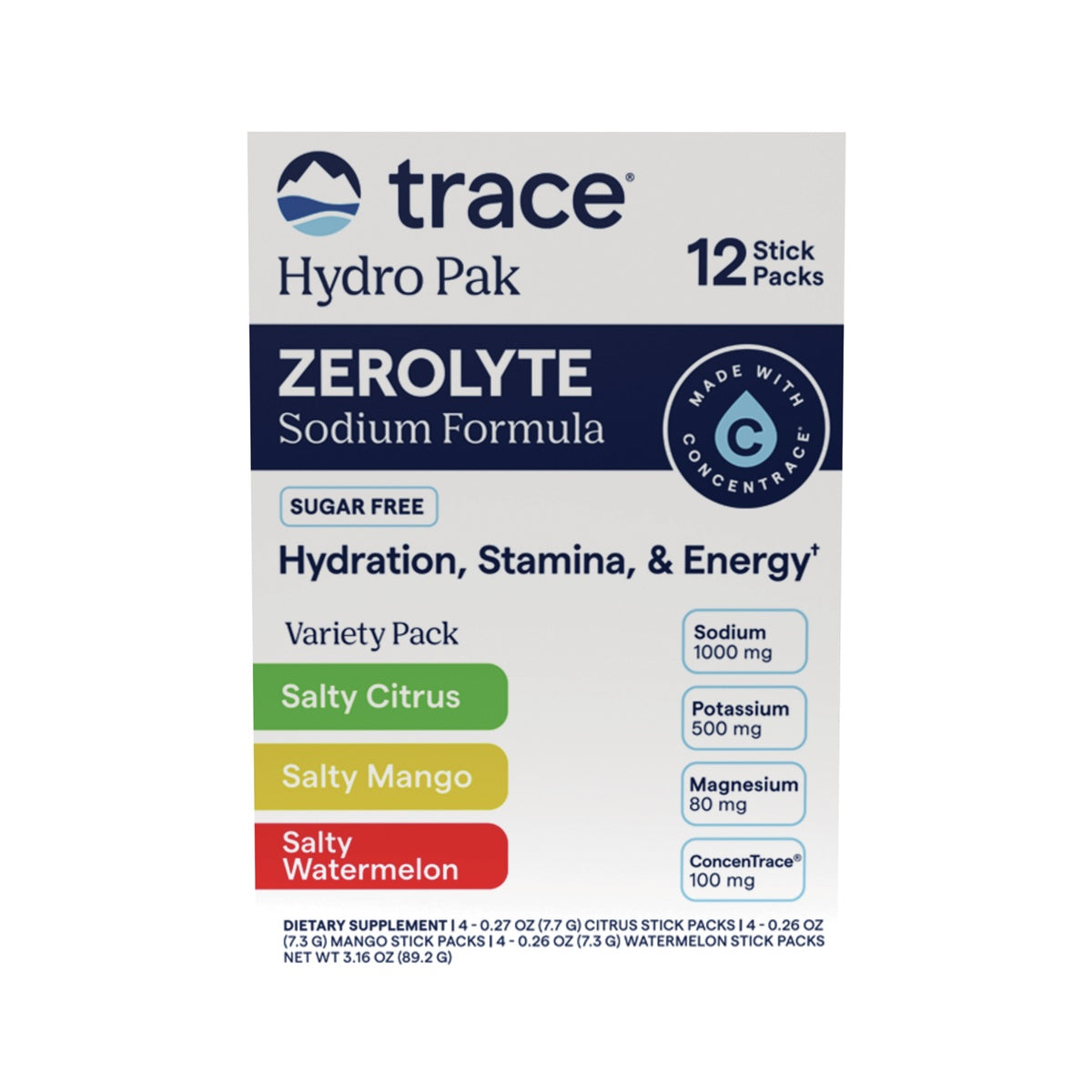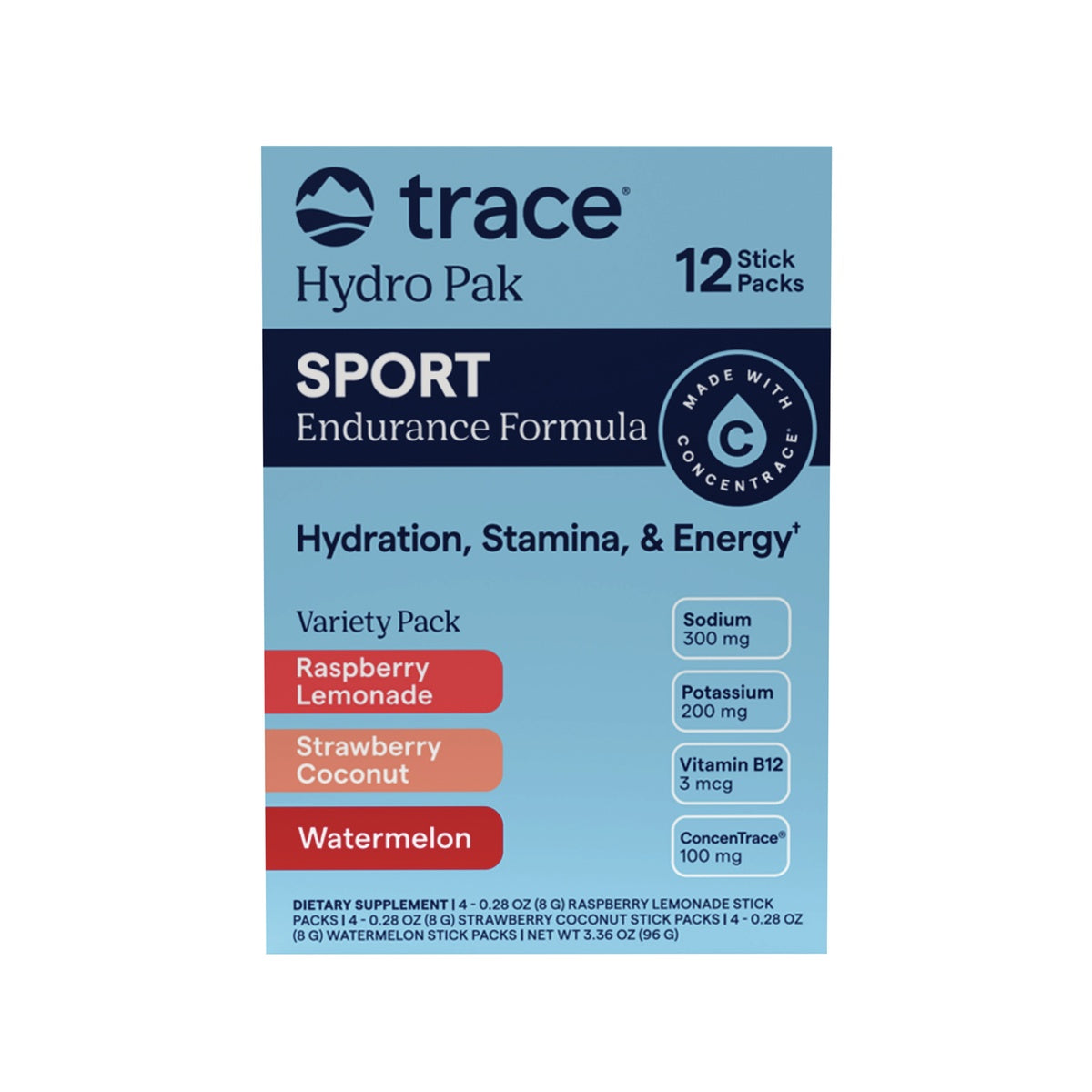

The short answer depends on the ingredient
Whether a supplement is better on an empty stomach or after a meal depends less on the word “supplement” and more on the specific ingredient inside it. Some products are designed to be taken with food because food can make them easier to tolerate, while others are commonly taken away from meals for better absorption or simpler timing. That is why a single rule rarely fits every bottle on the shelf.
For everyday users, the label is the first place to check, followed by the ingredient list and any directions from a pharmacist or doctor. A morning routine that works for one person may feel uncomfortable for another, especially if the product contains minerals, oils, or higher-dose vitamins. The practical question is not only “When is the ideal time?” but also “When will this be easiest to take consistently?”
Why food changes how supplements feel
Food can change both absorption and stomach comfort. Some ingredients are better tolerated with a meal because they may cause nausea, a heavy feeling, or a sour stomach when taken alone. Other ingredients pair naturally with food because they need dietary fat or a regular mealtime pattern to fit into daily life.
This is why many people choose breakfast or dinner as an anchor. If a supplement is tied to an existing habit, it is easier to remember and less likely to be skipped. For office workers, parents, and frequent travelers, the “best” timing is often the one that is realistic on a busy weekday, not the one that sounds ideal in theory.
Ingredients that often fit better with meals
Some supplements are commonly taken with food because they are gentler on the stomach or because a meal makes them easier to incorporate. Fish oil is a familiar example, since many users prefer it with lunch or dinner to reduce aftertaste. Fat-soluble vitamins are also often taken with meals, especially when the meal includes some fat.
Minerals are another category where food can matter. Iron, for example, is often discussed separately because its timing and compatibility with other foods or drinks can be inconvenient for some users. Calcium, magnesium, and multivitamins are also frequently placed into a meal routine so they are less likely to be forgotten and less likely to cause discomfort.
Ingredients that are often taken away from meals
Some ingredients are commonly taken on an empty stomach, but that does not mean everyone should take them that way. The reason is usually practical: certain ingredients are absorbed more efficiently without food, or their instructions are specific enough that timing matters. Even then, tolerance comes first, because a supplement that upsets the stomach is unlikely to stay in the routine.
This is where the label becomes important. Products with a clear timing instruction should follow that instruction rather than a generic internet rule. If a supplement causes nausea when taken alone, shifting it to a light meal may be more realistic than trying to force a strict empty-stomach schedule. Consistency is usually more useful than chasing the perfect time.
Reading labels like a routine builder
A good supplement routine starts with three checks: the ingredient, the label directions, and the rest of the day’s meals. If the bottle says “with food,” that instruction matters. If it says “take on an empty stomach,” that usually means a gap before or after eating, but the exact timing may still depend on the product and the person’s tolerance.
It also helps to watch for combinations. Some users stack several products in one morning routine and then wonder why their stomach feels unsettled. Others split their supplements across meals to make the day easier. The goal is not to build a complicated schedule, but a stable one that can survive work meetings, commuting, and weekends.
A simple way to choose your timing
A practical approach is to match the supplement with the most comfortable mealtime. If the product tends to cause stomach discomfort, meal time is often easier. If the label clearly asks for an empty stomach, place it in a quiet part of the day when the schedule is predictable. If several supplements are being taken together, review whether they belong in the same time slot at all.
The most useful routine is usually the one that can be repeated every day without much effort. That may mean breakfast for one person, dinner for another, or a split schedule for someone taking several products. For anyone with medical conditions, prescription medication, or special dietary needs, a pharmacist or clinician can help sort out the timing details in a safer way.