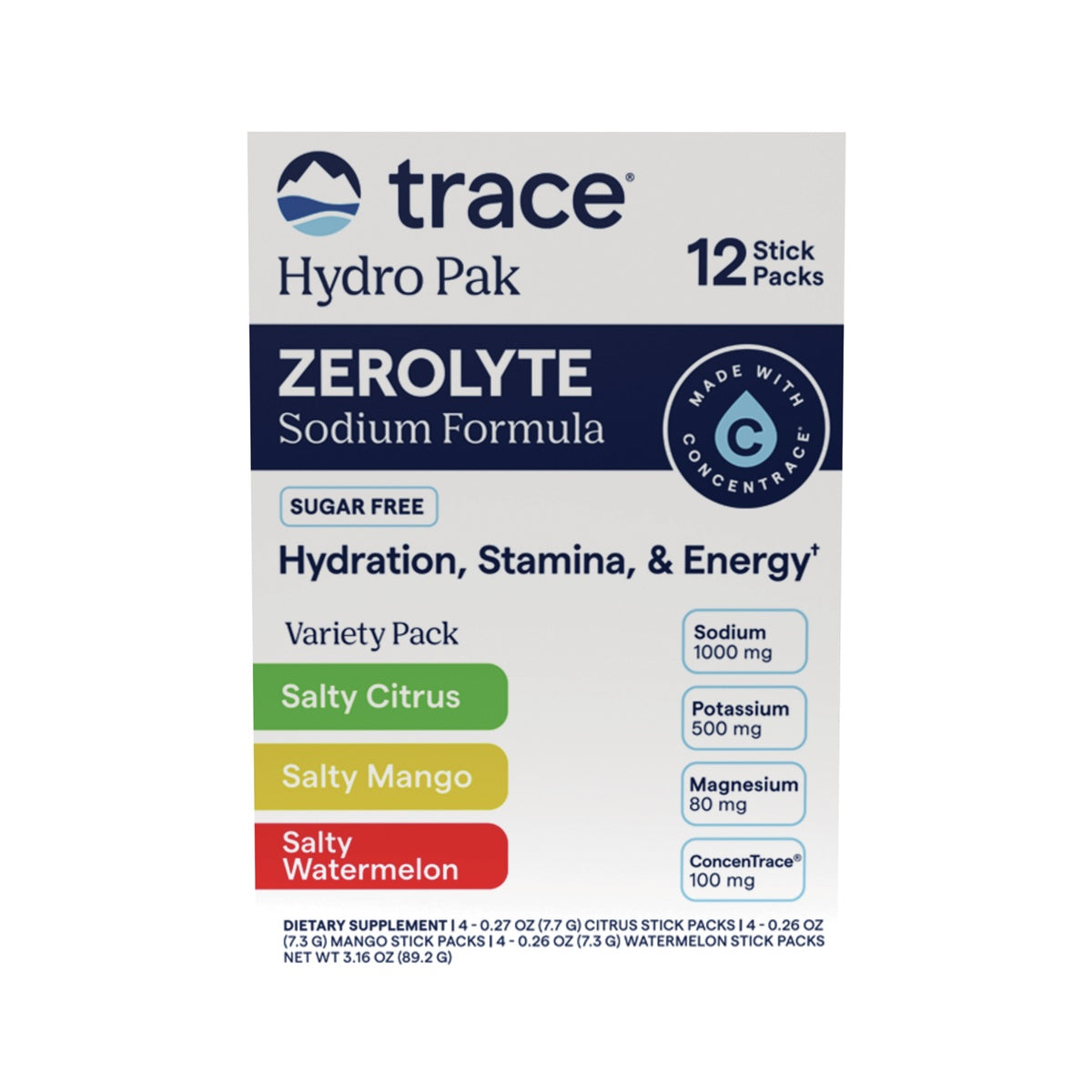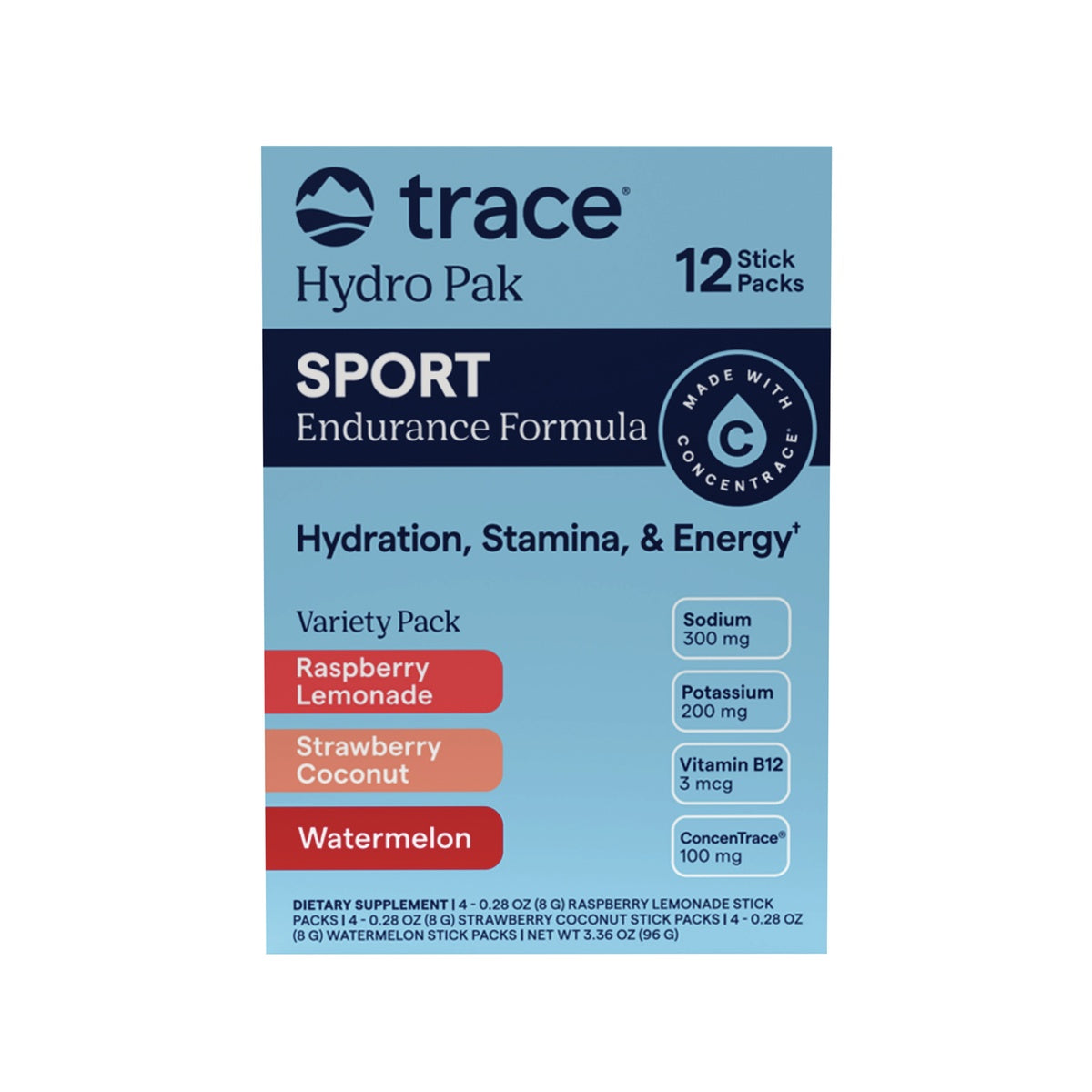

Can supplements and coffee or tea be taken together?
For many people, the real question is not whether supplements can be swallowed with a morning drink, but whether the drink changes how the supplement is absorbed or tolerated. Tea and coffee contain caffeine and plant compounds that may matter more for some ingredients than for others. That is why the answer depends on the specific supplement, the timing, and whether the person is taking capsules, tablets, or powders with food. In everyday routines, a careful schedule is often more useful than a rigid rule.
Why coffee and tea can matter
Coffee and tea are not neutral carriers. Coffee is naturally acidic and contains caffeine, while tea contains tannins and polyphenols that can interact with certain nutrients in the digestive tract. These compounds do not affect every supplement in the same way, but they can change the experience for people who already have a sensitive stomach or who take minerals close to breakfast. If a supplement feels fine with water but causes discomfort with coffee, the drink may be part of the reason.
Supplements that are more likely to need spacing
Some nutrients are more commonly separated from tea or coffee because of absorption concerns. Iron is the classic example, since tea and coffee compounds can make it less available for uptake when taken together. Calcium, magnesium, and some multivitamins may also be easier to take with a meal and plain water rather than with a strong caffeinated drink. For probiotics, the main issue is often not chemistry alone but whether the person prefers a calmer routine that reduces stomach irritation.
- Iron is often taken away from tea or coffee.
- Mineral supplements may feel better with food and water.
- Probiotics are commonly scheduled with meals or at a consistent time.
- Fat-soluble vitamins are often paired with a meal rather than a hot drink.
When taking them together is usually less of a concern
Not every supplement requires special spacing. Many people take general multivitamins or simple nutritional supplements with breakfast, and if the beverage is mild and the stomach tolerates it, the routine may still be practical. The key issue is consistency and comfort, not chasing an ideal that is difficult to follow every day. A routine that people can maintain is usually more realistic than a perfect schedule that gets ignored after a week.
Practical ways to build a routine
A simple approach is to treat water as the default swallowing liquid and reserve coffee or tea for after the supplement, especially when the supplement contains iron or a mineral blend. Another option is to separate them by 1 to 2 hours when the label suggests taking the product on an empty stomach or when the person notices nausea. People who take multiple products can also group them by timing, such as morning with breakfast and evening with dinner, to avoid confusion. The point is to create a routine that fits real life, not one that requires constant recalculation.
Who should be more careful
People who take prescription medicine, have a history of stomach irritation, or rely on iron supplements should be especially attentive to timing. The same applies to those who drink several cups of coffee or strong tea a day, since repeated caffeine intake can make it harder to notice whether a supplement is causing discomfort. Anyone with a medical condition, pregnancy, or a complex supplement stack should review timing with a pharmacist or clinician, since the best schedule can differ by product and by person.
A practical bottom line
For many supplements, tea or coffee is not automatically a problem, but it is not the best default choice either. Water remains the most neutral option, and spacing is most worth considering for iron, some minerals, and supplements that already upset the stomach. A readable label, a consistent schedule, and attention to how the body responds usually matter more than following a single universal rule.