
A well-planned vegetarian diet can provide sufficient nutrition, but supplementation may be useful when certain nutrients are difficult to obtain consistently from food. The most relevant considerations differ between lacto-ovo vegetarians, who eat dairy or eggs, and vegans, who avoid all animal-derived foods. A supplement plan should therefore begin with the eating pattern, usual food choices, life stage, medical history, and any laboratory results rather than with a single universal multivitamin.
This guide explains how to review common nutrients, compare fortified foods with supplements, and avoid unnecessary high-dose products. The Academy of Nutrition and Dietetics states that appropriately planned vegetarian and vegan diets can be nutritionally adequate, while public health guidance commonly highlights vitamin B12, vitamin D, iodine, calcium, iron, zinc, and omega-3 fats as nutrients requiring particular attention. The information is educational only; pregnancy, breastfeeding, adolescence, older age, chronic illness, digestive conditions, and prescribed medicines warrant individual advice from a qualified healthcare professional.
Start by identifying the type of vegetarian diet
The word vegetarian covers several eating patterns, and the practical nutrition questions are not identical. Lacto-ovo vegetarians include milk, yogurt, cheese, and eggs, while pescatarians include seafood; vegans exclude meat, poultry, seafood, dairy, eggs, and other animal-derived ingredients. A person who occasionally eats fortified foods may have a different nutrient intake from someone whose meals are mostly refined grains, vegetables, and convenience products, even when both use the same dietary label.
A useful first step is a three-day food record that includes meals, snacks, beverages, fortified products, and supplements. It can reveal whether protein foods, calcium-rich items, legumes, whole grains, nuts, seeds, and iodine-fortified products appear regularly. Labels matter because plant milks, breakfast cereals, nutritional yeast, and meat alternatives vary considerably by brand and country. Supplement decisions are more reliable when they fill a documented gap instead of duplicating nutrients already supplied by fortified foods.
Vitamin B12 deserves a reliable plan
Vitamin B12 is the nutrient most likely to require deliberate planning in vegan diets because dependable natural plant sources are limited. Lacto-ovo vegetarians may obtain B12 from eggs and dairy, but the amount depends on frequency and portion size. Fortified breakfast cereals, fortified plant drinks, fortified nutritional yeast, and supplements can provide more predictable intake when animal foods are absent or used sparingly.
A B12 product should be used according to its label and personal circumstances rather than selected solely by dose size. Blood testing may be appropriate when symptoms, a history of low intake, digestive disorders, or medicines affecting absorption are present. Symptoms such as persistent fatigue, numbness, or balance changes have many possible causes and should not be self-diagnosed as a nutrient deficiency. A clinician can decide whether B12, related markers, or other tests are appropriate.
Iron, zinc, and protein require meal-level planning
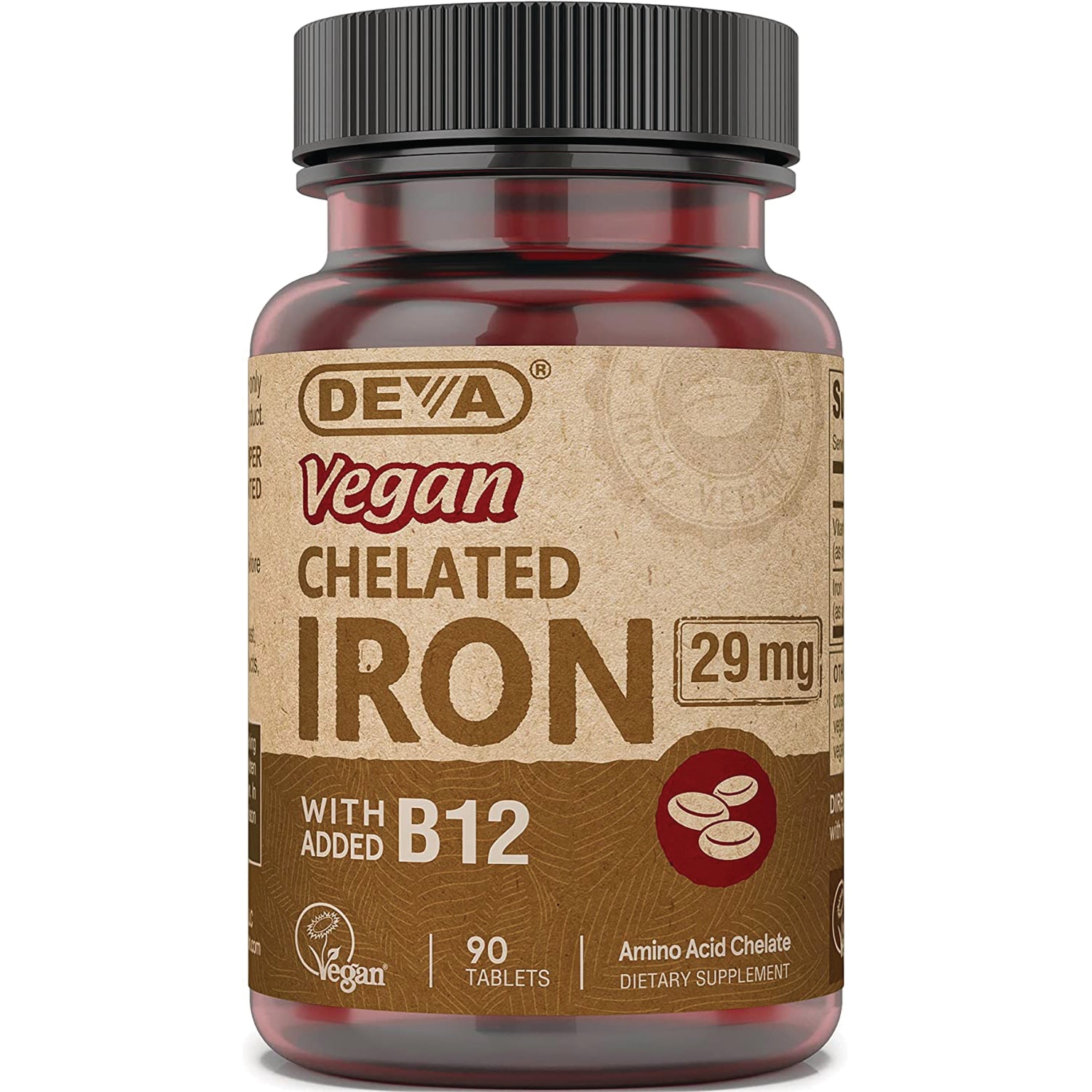
Plant foods can supply iron through lentils, beans, chickpeas, tofu, tempeh, pumpkin seeds, nuts, whole grains, and fortified cereals. However, non-heme iron from plants is absorbed differently from heme iron in meat, so food variety and meal composition matter. Pairing iron-containing foods with vitamin C sources such as citrus, berries, tomatoes, bell peppers, or broccoli is a practical meal strategy, while tea and coffee taken with meals may interfere with iron absorption for some people.
Zinc is found in beans, lentils, tofu, whole grains, nuts, seeds, and dairy foods. Soaking, sprouting, fermenting, or cooking legumes and grains can change their phytate content, although these preparation methods do not make a supplement automatically necessary. Protein is usually manageable when meals include legumes, soy foods, dairy or eggs where appropriate, grains, nuts, and seeds across the day. Iron or zinc supplements should not be taken casually because high doses can cause adverse effects and may interact with other nutrients or medicines.
Calcium and vitamin D work as a connected pair
Calcium planning is especially important when dairy products are excluded. Suitable options may include calcium-fortified soy or other plant drinks, calcium-set tofu, fortified yogurt alternatives, beans, tahini, almonds, and selected green vegetables. Product labels should be checked because fortification levels differ, and some plant drinks contain little calcium unless the nutrient has been added. Spreading calcium-containing foods across meals can be more practical than relying on one large serving.
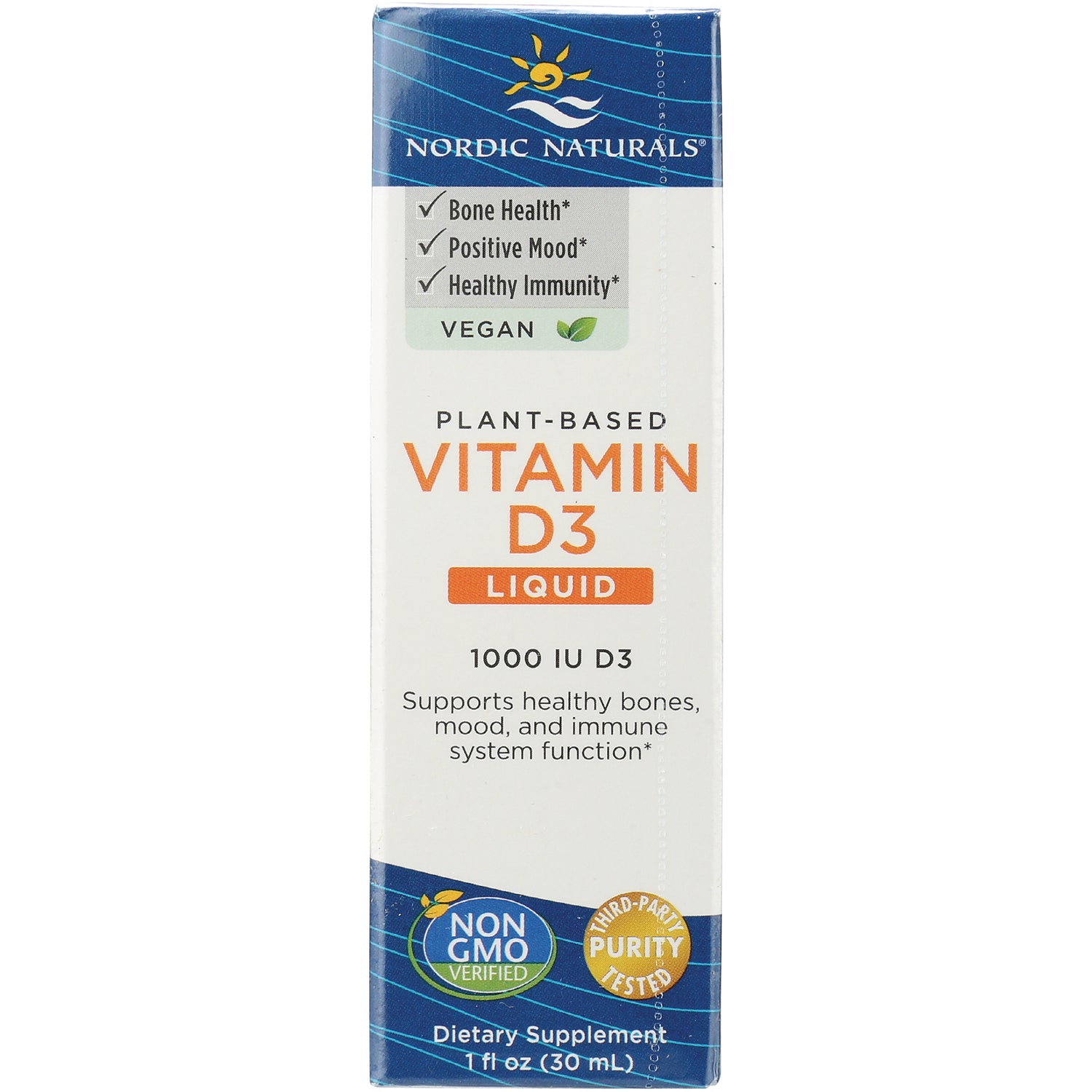
Vitamin D status depends on factors such as sunlight exposure, season, skin coverage, latitude, age, food intake, and local fortification policies. Fortified foods and supplements may be useful when dietary intake or sunlight is limited, but a larger dose is not automatically better. People with kidney disease, conditions affecting calcium balance, or a history of abnormal blood results should obtain professional advice before taking high-dose vitamin D or calcium products. A clinician may recommend testing when risk factors are present.
Iodine and omega-3 fats are easy to overlook
Iodine supports thyroid hormone production, yet intake can be inconsistent in vegetarian and vegan diets because common sources include dairy, eggs, seafood, and iodized salt. Seaweed is not a simple substitute: iodine content varies widely, and some products may provide excessive amounts. A label-checked fortified plant drink or an appropriate supplement may be considered, particularly when iodized salt and iodine-fortified foods are not part of the usual diet.
Plant sources of alpha-linolenic acid, an omega-3 fat, include ground flaxseed, chia seeds, walnuts, and canola oil. The body converts some alpha-linolenic acid into EPA and DHA, but conversion is limited and variable. Algae-based EPA or DHA products provide a vegan option for people who want a direct source, although the need and dose depend on the person’s diet, health status, and professional advice. Supplements should not replace a food pattern that includes legumes, vegetables, whole grains, nuts, and seeds.
How to choose and use supplements responsibly
A basic review should compare the product label with the person’s actual diet. Check the serving size, nutrient form, amount per serving, added ingredients, expiration date, allergen information, and whether several products contain the same nutrient. A multivitamin may be convenient, but it can also provide little of a nutrient that requires reliable intake or more of another nutrient than necessary. “Natural,” “plant-based,” and “high potency” are marketing descriptions, not proof that a product suits a particular person.
Timing can be practical rather than complicated: follow label directions, separate products when a pharmacist identifies an interaction, and take fat-soluble vitamins with an appropriate meal if instructed. Keep supplements away from children and store them as directed. Before beginning iron, iodine, calcium, vitamin D, or high-dose zinc, discuss pregnancy, thyroid conditions, kidney disease, anemia, digestive disorders, and prescribed medicines with a healthcare professional. Nutrient blood tests can be useful in selected situations, but results should be interpreted with symptoms, diet, and medical history.
A simple routine for everyday meals
A sustainable routine begins with food rather than a long supplement list. A breakfast of fortified cereal or fortified plant yogurt, fruit, and seeds can cover several planning points; lunch might combine lentils or tofu with whole grains and vegetables; dinner can include beans, tempeh, calcium-fortified ingredients, and an iodine source suited to the person’s diet. Snacks such as nuts, fruit, hummus, or fortified drinks can add variety without turning nutrition into a rigid checklist.
Each month, users can review whether fortified foods are purchased regularly, whether supplements are taken as directed, and whether the diet has changed because of travel, work schedules, budget, appetite, or medical treatment. A registered dietitian can help translate food records and laboratory results into a tailored plan, especially for vegan children, athletes, older adults, pregnant people, and anyone with a restricted or highly repetitive diet. The most useful approach is consistent, evidence-informed, and proportionate to the actual dietary gap rather than driven by fear or oversized doses.