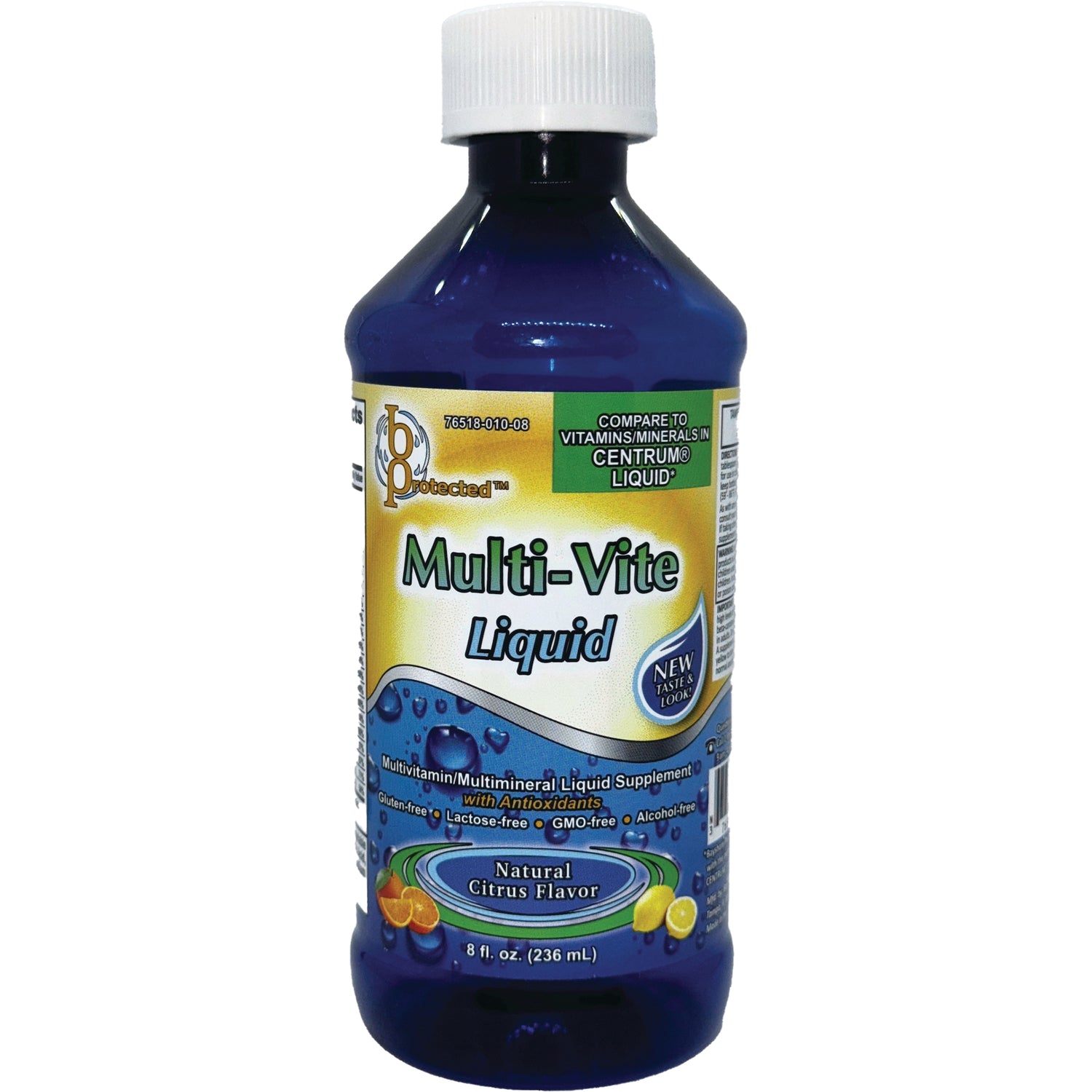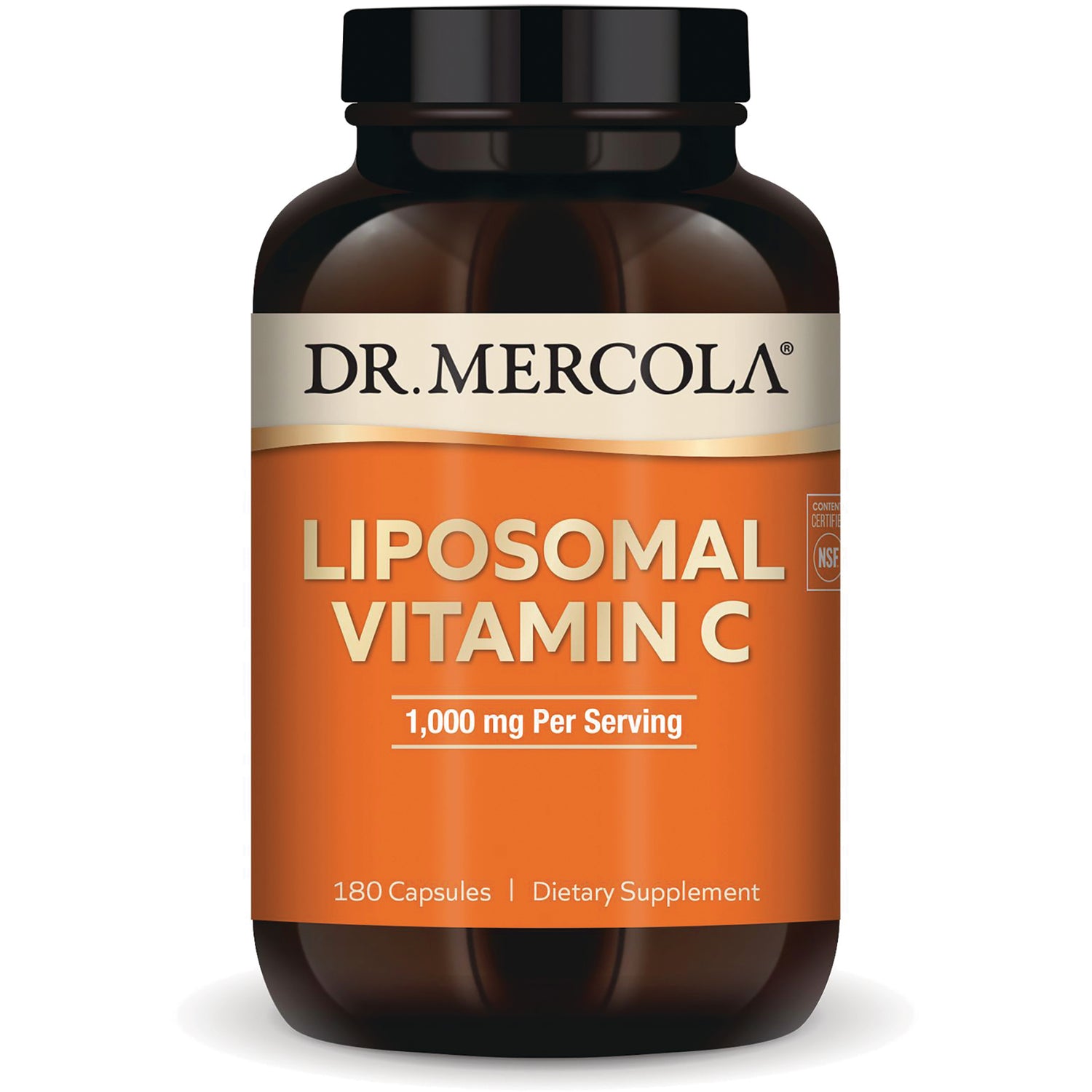

Many people take vitamins daily, hoping to boost energy, support immunity or make up for an unbalanced diet. However, experts increasingly remind the public that vitamins are not risk-free, especially when taken in high doses or combined with multiple supplements. Research from large cohorts has shown that long-term daily multivitamin use does not necessarily reduce mortality from heart disease or cancer, and in some analyses may slightly increase overall death risk compared with non-users. For generally healthy adults who already eat a varied diet, extra pills can become an unnecessary burden rather than a shortcut to better health. This raises an important question: can taking too many vitamins lead to overdose, and what does that mean in real life?
What does vitamin overdose actually mean?
Vitamin overdose refers to taking amounts that exceed the body’s tolerance over a short period or chronically, leading to toxic effects or organ strain. Unlike food-derived vitamins, concentrated supplements deliver nutrients in doses far above what is usually found in meals, so misuse is easier. Physicians often distinguish between acute overdose, such as ingesting a very large dose at once, and chronic overdose, where slightly excessive intake continues for months or years. Acute cases can trigger symptoms like nausea, vomiting, dizziness or intense headaches, while chronic overload can silently affect the liver, nerves, bones or kidneys before obvious signs appear. The risk varies by vitamin type, individual health status and whether other medications or supplements are taken at the same time.
Fat-soluble vitamins: higher risk of accumulation
Fat-soluble vitamins, mainly A, D, E and K, are stored in the liver and fatty tissues rather than excreted quickly in urine. This storage capacity is useful for meeting needs between meals, but it also means that long-term high-dose use can gradually build up to toxic levels. For vitamin A, case reports describe acute poisoning after very large intakes, with symptoms like nausea, vomiting, severe headache, dizziness, blurred vision and poor muscle coordination. Chronic excess has been linked to liver fibrosis or cirrhosis, hair loss, dry skin, bone pain and mood changes. Similarly, excessive vitamin D can lead to high blood calcium, causing fatigue, muscle aches, increased urination and in severe cases kidney damage. High-dose vitamin E may interfere with normal blood clotting and increase bleeding tendency or stroke risk. These examples highlight why self-prescribing large fat-soluble doses for long periods is risky without medical supervision.
Water-soluble vitamins: not always “safe to ignore”
Water-soluble vitamins, such as vitamin C and the B-complex, are often marketed as safer because excess is excreted through urine. This perception leads some consumers to take megadoses, assuming there is no downside. In reality, water-soluble vitamins can still cause problems when taken far beyond recommended levels, especially over time. For instance, long-term high intake of vitamin B6 has been associated with peripheral neuropathy, a nerve condition that produces tingling, numbness, burning sensations and impaired coordination in the limbs. High doses of certain B vitamins can affect liver function or digestion, while large amounts of vitamin C, particularly above around 2,000 mg per day, may provoke diarrhea, abdominal pain, nausea and increased risk of kidney stones in susceptible individuals. Although the body eliminates some surplus, chronic overload can still stress the kidneys or nervous system.
Common signs you may be taking too many vitamins
Because vitamin overdose does not always feel dramatic at first, early warning signs can be subtle and easily dismissed. Doctors have pointed to several patterns worth attention. Changes in urine color, such as unusually bright or deep shades that persist, may hint at excessive supplementation or emerging liver issues. Yellowing of the skin or eyes suggests possible liver strain and should prompt immediate medical assessment. Skin reactions, including rashes or itchy, irritated patches after starting a new supplement, can indicate that the dose or ingredient is not well tolerated. Neurological symptoms like dizziness, numbness, tingling, muscle weakness or problems with coordination have been observed with high-dose B vitamins, especially B6. Digestive upset, from persistent nausea and abdominal discomfort to unexplained diarrhea, may also signal that total daily intake is exceeding what the body can comfortably handle.
Why “more” is not always “better” for multivitamins
The popularity of multivitamins stems from the idea that one tablet can cover many nutritional bases at once. Yet several long-term observational studies have reported that taking multivitamins does not clearly reduce the risk of chronic diseases such as heart disease or cancer in otherwise healthy adults. In some datasets, daily users even show a slightly higher overall mortality compared with non-users, though the reasons may involve complex lifestyle and health differences. Importantly, multivitamins often combine multiple fat-soluble and water-soluble ingredients, so adding extra single-vitamin products on top can inadvertently push total intake over safe thresholds. There is also potential for interactions with prescription drugs or herbal products. Since vitamins in pill form behave more like pharmacological agents than food, a cautious, evidence-based approach is advisable rather than assuming that large combined doses will boost health outcomes.
Safe intake guidelines and practical habits
To reduce overdose risk, nutrition specialists recommend focusing first on a balanced diet rich in vegetables, fruits, whole grains, quality proteins and healthy fats. This pattern naturally provides most vitamins in physiologic amounts, supported by fiber and other beneficial compounds. When supplements are needed, such as for medically confirmed deficiencies, pregnancy, vegan diets or limited sun exposure, doses should align with established intake guidelines and individual lab results. Reading labels carefully to check per-tablet content, tolerable upper intake levels and potential overlap between products is crucial. It is safer to avoid experimenting with high doses for self-diagnosed problems, especially with fat-soluble vitamins or strong B-complex products. Regular check-ins with a physician or dietitian allow discussion of total supplement use, possible symptoms and whether lab monitoring of liver, kidney or nerve function is appropriate.
When to seek professional advice and how to adjust
If someone suspects they may be taking too many vitamins, the first step is to list all products, including multivitamins, single vitamins, herbal blends and fortified drinks, along with daily doses. Bringing this list to a healthcare professional enables a structured review of possible excesses and interactions. Sudden onset of symptoms such as unexplained fatigue, skin changes, persistent digestive upset, tingling in hands or feet, or visual disturbances should be treated as a signal to seek prompt medical evaluation rather than simply stopping supplements on one’s own. After assessment, a doctor may advise dose reductions, temporary discontinuation, targeted blood tests or referrals to specialists. Information in this article is intended for general education, not as a diagnosis or treatment plan. For decisions about supplementation, readers are encouraged to consult physicians, pharmacists or registered dietitians who can tailor guidance to personal health history and laboratory data.
Key takeaways for everyday vitamin use
In everyday life, vitamins can play a useful role when real gaps in diet or specific medical needs exist, but they are not a universal shortcut to health. Both fat-soluble and water-soluble vitamins can lead to problems if taken in excessive or long-term high doses, and early signs of overdose may involve the skin, nerves, digestive tract, liver or kidneys. Multivitamins are best viewed as supplementary, not as a replacement for thoughtful eating, regular movement and routine health checks. Choosing products with moderate doses, avoiding unnecessary combinations, and periodically reassessing whether a supplement is still needed can help reduce avoidable risks. Above all, individualized professional advice remains important, especially for people with chronic conditions, those taking multiple medications, or anyone considering high-dose vitamin regimens. All information here is for reference only and should be discussed with a qualified healthcare provider before changes to personal supplement routines.