
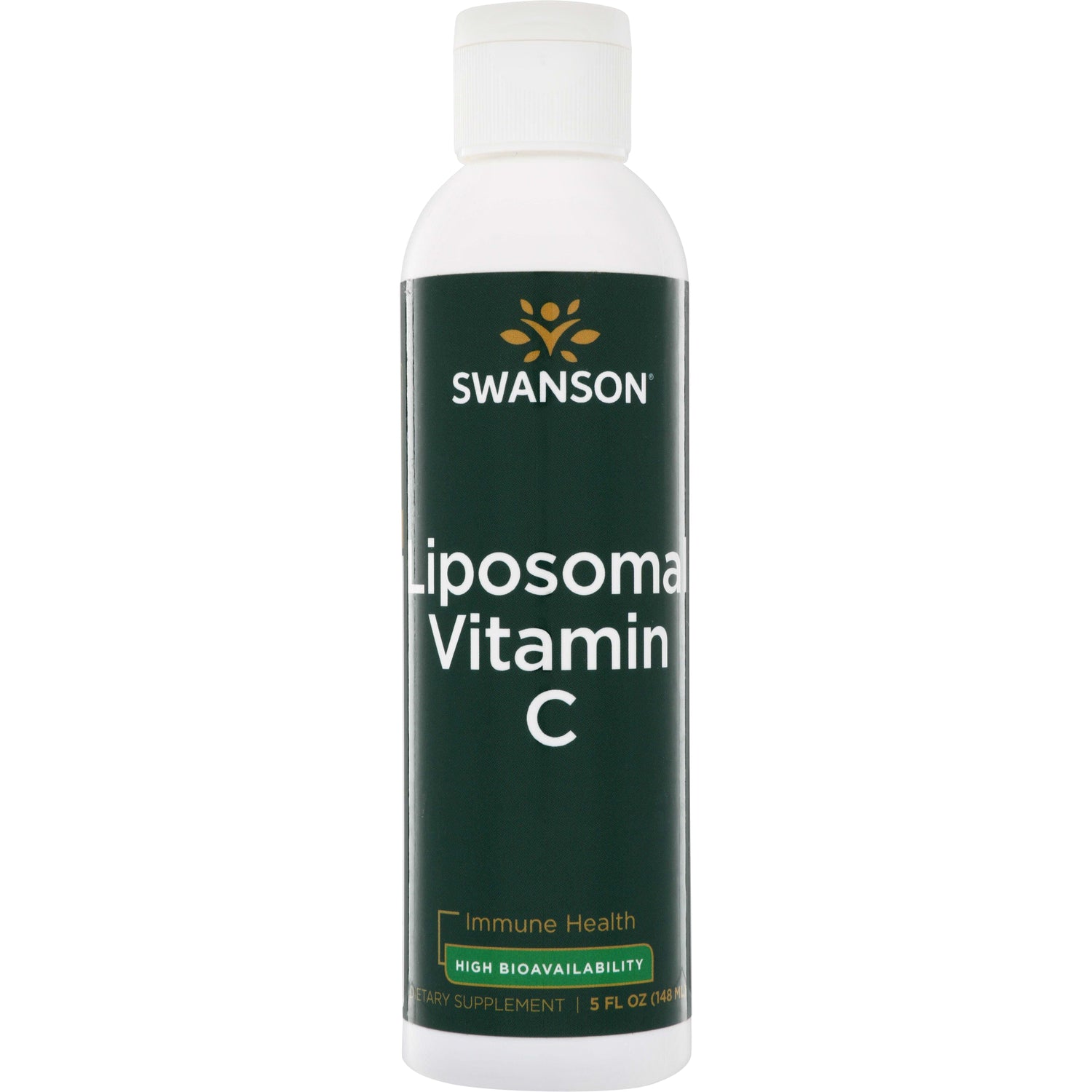
- Innovative Delivery System: Liposomal Vitamin C utilizes advanced liposome technology to deliver vitamin C effectively through the digestive system directly into the bloodstream.
- Gentle on Digestion: Unlike traditional ascorbic acid, this formulation is easier on the digestive tract, making it suitable for those who may need higher doses without discomfort.
- Natural Flavor: Enjoy the refreshing citrus flavor while supporting your daily nutrient needs.
- Vegan-Friendly: This product is verified vegan, ensuring it meets dietary preferences without compromising quality.
USD 50.49
swansonvitamins.com
Liposomal Vitamin C - High Bioavailability
USD 50.49
Specs
Standard(Default)
Vitamin C
Supplements
Vegan product
Liposomal Vitamin C
High Bioavailability
Buy from vendor
Product Details
Liposomal Vitamin C from Swanson Ultra is a state-of-the-art formulation that packs vitamin C into fat-soluble liposomes. These liposomes deliver the vitamin safely through the digestive system directly to the bloodstream for optimal bioavailability. It’s gentler on the digestive tract than conventional ascorbic acid, making it ideal for supplementing at higher intake levels.
What is a liposome? Liposomes are tiny microscopic “bubbles” or spheres formed by phospholipids that act as carriers to deliver active agents—in this case, nutrients—right to our cells and tissues. They’re effective because their makeup is similar to that of our own cells. The exterior lining of our cells contain phospholipids just like those that form a liposome. Without adequate transporters on a cell's surface to get the water-soluble vitamin C past the lipid layer of cell membranes, the vitamin can stay on the outside of cells and not provide the intended benefit to the body. Liposomal Vitamin C is a unique delivery form that acts as a carrier to deliver active nutrients right to our cells and tissues in ways other delivery forms do not.
What distinguishes a “true liposome?” To form a true liposome, you must react the active ingredients with the phospholipid carrier in such a way as to create tiny uniform spheres that complete envelope and hold the active component at a particle size of about 150 nanometers. You can’t simply mix vitamin C with lecithin and call it a liposomal product, yet that is what some products turn out to be when analyzed.
The particle size matters, the production method matters and the materials themselves matter. The phospholipid should not be hydroxylated or hydrogenated, and it should be as pure as possible. Liposomal Vitamin C uses phosphatidylcholine from non-GMO sunflower lecithin. This is preferred because phosphatidylcholine is one of the primary phospholipids in all cell membranes.
How do we know that liposomal delivery is better than other forms for delivering nutrients to our cells and tissues? Better absorption, higher bioavailability, improved utilization—these are the primary benefits liposomes have over other forms of dietary supplements; but there’s more to consider than just these three things. In the case of vitamin C specifically, the liposomal form is better tolerated, making high-dose supplementation easier and more effective. Vitamin C is highly acidic and can cause digestive upset, diarrhea and other unpleasant side effects when taken in high amounts. With Liposomal Vitamin C, the phospholipids serve as a barrier to the ascorbic acid through the digestive tract, virtually eliminating the concern of GI distress.
Frequently Asked Questions
What is Liposomal Vitamin C?
Liposomal Vitamin C is a dietary supplement that uses a unique fat-soluble delivery system to enhance the absorption of vitamin C. This formulation helps deliver active nutrients directly to cells and tissues.
How should I take this supplement?
It is recommended to take one teaspoon (5 ml) with one ounce of water or juice. Shake well before use and store in a cool location, refrigerating after opening.
Is this product suitable for vegans?
Yes, Liposomal Vitamin C is verified vegan and does not contain any animal-derived ingredients.
What are the benefits of using Liposomal Vitamin C?
Liposomal Vitamin C provides a gentler delivery form compared to conventional ascorbic acid, making it easier on the digestive tract while promoting optimal absorption of vitamin C.
Who should consider taking this supplement?
This supplement is designed for adults looking to enhance their vitamin C intake, especially those who may require higher levels for daily health maintenance.
Recommended Products
Recommended Articles
Can Vitamin C Really Prevent Colds?
A practical evidence-based look at whether vitamin C can prevent colds, who may see different results, and what the research actually says about routine…

Vitamin C Forms Compared: Effervescent, Sustained-Release, and Chewable
A practical guide comparing vitamin C effervescent tablets, sustained-release tablets, and chewables. Understand key differences in taste, convenience, dosing,…

The Real Role of Vitamin C: How It Works as an Antioxidant
This article explains how vitamin C truly works in the body as an antioxidant, its relationship with free radicals, collagen and iron, and what current…