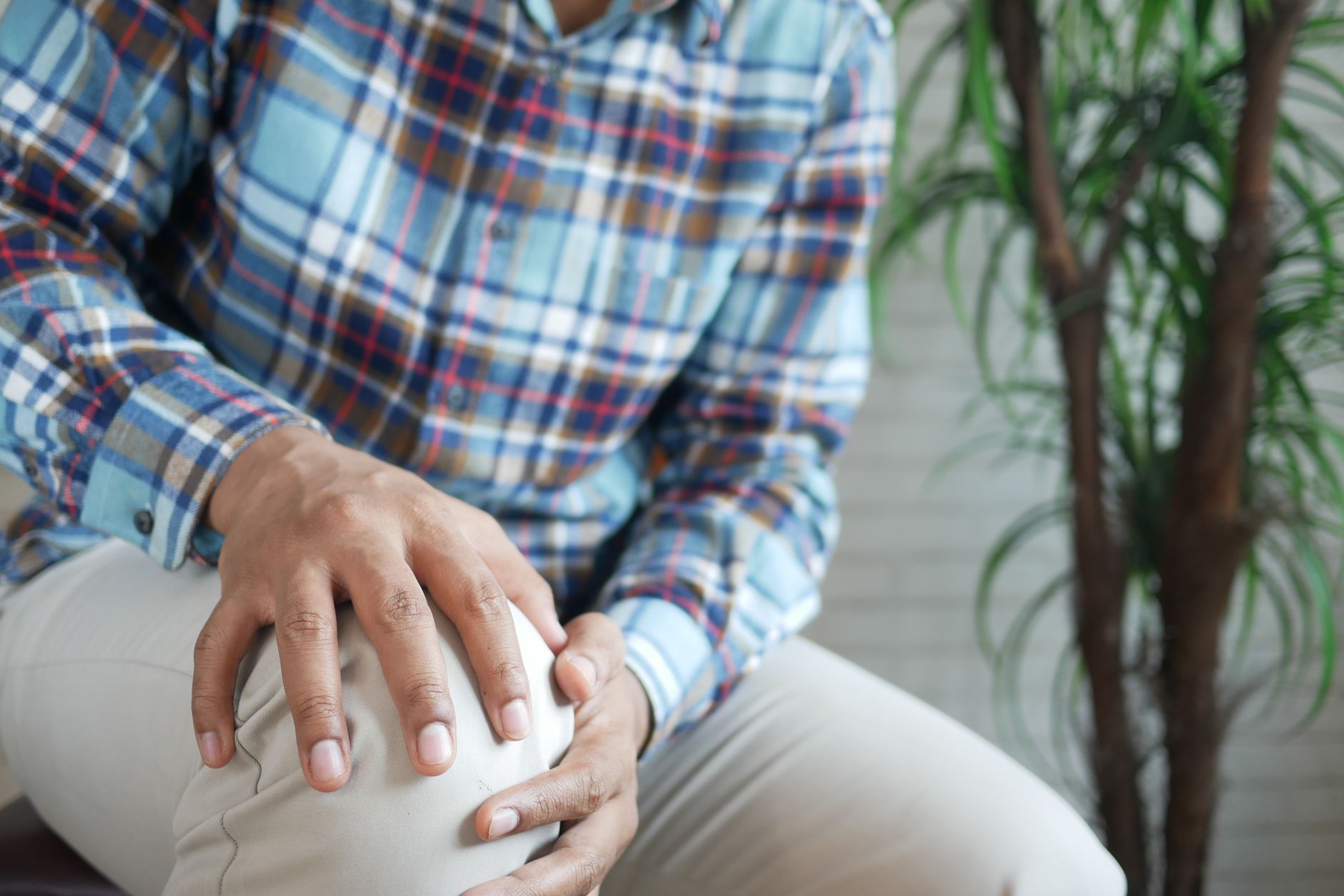
Many people notice that after 50, stairs feel steeper, long walks leave the knees more tired, and recovering from a minor sprain takes longer than it used to. This change is closely linked to how bones and joints respond to aging, daily habits and overall lifestyle. Instead of focusing only on pain or discomfort when it appears, caring for bone and joint health can become part of everyday routines, such as how one sits at a desk, what is on the dinner plate, and the type of movement chosen for weekends. This article looks at practical ways to care for bones and joints after 50, with examples that fit into typical busy schedules and social lives, while reminding readers that health information is for reference only and that questions about symptoms or treatment are best discussed with qualified professionals.
Understanding Bone and Joint Changes After 50
Around midlife, bones and joints go through gradual changes that often start long before obvious symptoms appear. Bone density may decrease, joints can feel stiffer in the morning, and small imbalances in posture that were previously ignored can begin to show up as discomfort in the neck, lower back or knees. Many people also change their routines at this stage, spending more time sitting, caring for grandchildren or managing work and family pressures, which can subtly change the forces placed on joints. Understanding that these changes are part of a long process helps readers focus on long-term habits rather than quick fixes. Recognizing early signals, such as difficulty bending down to tie shoes, feeling unstable on uneven ground or having less confidence when carrying groceries, can be useful prompts to adjust movement patterns and daily choices.
Daily Movement: Gentle Activity Over Intense Workouts
For many people over 50, the idea of starting intense exercise can feel intimidating or unrealistic. Fortunately, bone and joint care often benefits more from consistent gentle activity than from occasional strenuous workouts. Simple routines such as walking at a comfortable pace, practicing basic balance exercises near a wall or chair, or following low-impact group classes can weave movement into social and family life. Choosing activities that feel sustainable, such as walking with a friend after dinner or joining a community class, makes it more likely that movement becomes a habit rather than a short-lived project. Readers can consider combining short sessions, like ten minutes of stretching in the morning and another ten minutes of light movement in the evening, to support joint mobility without overwhelming the body.
Strength Training Basics: Protecting Joints With Muscle Support
When people hear the phrase strength training, they may picture heavy weights and complicated gym equipment, but beginner strength work after 50 can be simple and tailored. The goal is not to compete with athletes, but to build enough muscle support around joints so daily tasks feel more stable and controlled. Bodyweight exercises such as sit-to-stand from a chair, wall push-ups, or gentle step-ups using a low step can be adjusted to different comfort levels. Light resistance bands or small dumbbells are another option for those who prefer exercising at home while watching television or listening to the radio. By focusing on smooth, controlled movements and avoiding sudden jerks, many readers find that lifting groceries, climbing stairs or walking on uneven surfaces feels more secure over time. It is sensible to start slowly and, when unsure, to discuss new exercise plans with healthcare professionals.
Posture, Alignment and Reducing Knee Joint Load
Posture is more than just standing up straight; it influences how weight is shared across the spine, hips, knees and ankles throughout the day. Small habits, such as favoring one leg while standing, crossing legs for long periods while sitting, or leaning forward toward a screen, can shift pressure toward certain joints and contribute to discomfort over time. Paying attention to alignment when walking, like keeping the knees pointing in the same direction as the toes and avoiding long periods in high heels or unsupportive shoes, can lessen the load on knee joints. Many readers find it helpful to create simple reminders, such as placing screens at eye level, choosing chairs that support the lower back, or taking brief standing breaks during long meetings. Gentle posture drills, like standing against a wall with the back of the head, shoulders and hips lightly touching, can increase awareness of alignment without needing special equipment.
Home Stretching Routines for Everyday Flexibility
Home-based stretching can be a practical way to keep joints moving comfortably, especially for those juggling work, family commitments and social activities. A short home stretching routine might include simple neck stretches while sitting, gentle shoulder rolls, slow side bends standing next to a sturdy chair, and calf stretches using a wall. These movements can be integrated into daily rituals, such as stretching after brushing teeth, during television commercials or while waiting for the kettle to boil. The aim is to move joints through a comfortable range without pushing into sharp pain, paying attention to breathing and relaxation. Readers who spend long hours at a desk or driving can benefit from periodic stretches that target the hips and lower back, breaking up static positions that often contribute to stiffness. As with other aspects of joint care, it is wise to adjust stretches according to personal comfort and seek guidance from professionals if unsure about specific movements.
Eating for Bone-Friendly Support After 50
Diet plays an important background role in how bones and joints feel over the years, even though the effects are not always immediately visible. A bone-friendly diet after 50 often emphasizes balanced meals that include sources commonly associated with bone and joint support, such as dairy products, leafy green vegetables, nuts, seeds and foods rich in certain vitamins and minerals. Many readers already have favorite dishes, and small adjustments, like adding a side of dark greens, choosing yogurt as a snack, or including fish regularly, can fit into familiar meal patterns. Attention to overall variety, adequate protein and hydration also contributes to feeling more energetic for daily movement and social activities. Because nutrition needs can vary based on medical history, cultural habits and personal preferences, it is recommended to treat general dietary information as reference and discuss specific questions, especially about supplements or restrictions, with healthcare providers or registered dietitians.
Lifestyle Habits and When to Seek Professional Advice
Bone and joint care after 50 is closely linked to broader lifestyle choices, including sleep routines, stress management and social connections. Many people find that consistent sleep, regular light activity and meaningful social interaction all influence how the body feels during daily tasks. Reducing long periods of inactivity, planning regular breaks during travel or desk work, and organizing outings that involve gentle walking can create an environment where joints experience varied but manageable movement. At the same time, it is important to recognize when professional advice is needed. Persistent pain, sudden changes in mobility, or concerns about previous injuries are situations where consulting doctors, physical therapists or other qualified practitioners is prudent. Health information in articles like this is intended for general understanding and does not replace personalized assessment; discussing individual conditions with professionals helps align everyday habits with specific needs.