
Cartilage degeneration is often discussed as though one supplement or one ingredient can address every joint concern. In practice, daily joint care involves several decisions: understanding the role of activity, checking the ingredient label, considering age and routine, and recognising when a symptom needs professional assessment. Osteoarthritis guidance commonly places therapeutic exercise and weight management at the centre of care, while supplement evidence remains mixed and product formulations differ substantially. A sensible selection process therefore begins with expectations rather than promises. The aim is to choose an option that fits a person’s needs, dietary restrictions, medication considerations, and ability to follow the label consistently.
Start with the basics of cartilage care
Cartilage is the smooth tissue that helps joint surfaces move with less friction, but joint comfort also depends on muscles, connective tissues, movement habits, body weight, previous injuries, and overall health. Regular, appropriately paced activity can support general fitness and muscle capacity; walking, cycling, swimming, mobility work, and strength exercises may be adapted to a person’s condition. For people with osteoarthritis, NHS guidance highlights exercise, suitable footwear, and weight management when appropriate as practical parts of self-care. This does not mean pushing through sharp pain or assuming every ache is cartilage degeneration. Persistent swelling, locking, instability, sudden injury, marked warmth, or rapidly worsening symptoms should be assessed by a qualified healthcare professional.
A supplement should be viewed as an optional part of a wider routine, not a substitute for diagnosis, rehabilitation, sleep, balanced meals, or medical treatment. Before comparing products, readers can write down the joints of concern, typical activity level, dietary restrictions, allergies, current medicines, and the intended user’s age. This simple checklist makes product claims easier to separate from practical suitability. It also prevents a common mistake: choosing a long ingredient list without checking whether the serving instructions, allergen warnings, and daily routine are manageable.
How to compare ingredients and labels
Joint products may contain glucosamine, collagen, cartilage extracts, hyaluronic acid, calcium, vitamin D3, botanical extracts, or combinations of these ingredients. Their names should not be treated as interchangeable, and a larger list does not automatically mean a better choice. Evidence for supplements in osteoarthritis is inconsistent: some reviews report possible benefits for selected outcomes, while clinical guidance and arthritis organisations note uncertainty, mixed findings, and potential interactions. Readers should therefore compare the exact ingredient names, serving size, form, number of capsules, allergen statements, storage instructions, and any warnings rather than relying on front-label language.
It is also useful to distinguish nutritional support from a medical claim. Terms such as “joint health,” “daily care,” or “supports normal function” describe the intended positioning of a product, but they do not establish that it can repair cartilage or reverse osteoarthritis. People taking warfarin, managing diabetes, living with seafood allergies, preparing for surgery, or using several medicines should ask a pharmacist or clinician about compatibility before starting a supplement. The same precaution applies to older adults and anyone with kidney, liver, gastrointestinal, or other chronic conditions.
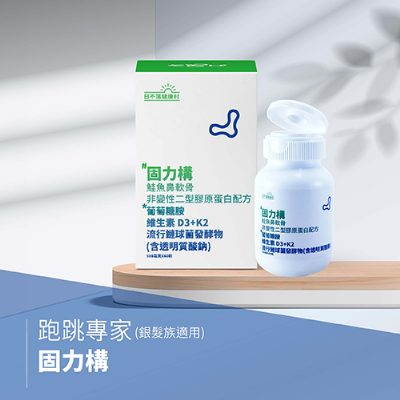
A closer look at 固力構-固力專家 (銀髮族適用)
固力構-固力專家 (銀髮族適用) is positioned for older adults’ daily care and comes in 500 milligrams, 60 capsules per bottle. Its listed formula combines salmon nasal cartilage, undenatured type II collagen, hyaluronic acid, and glucosamine. The suggested daily amount is one to three capsules, so users can consider whether that schedule fits their existing routine and should follow the product label or professional advice when personal circumstances require a different approach. The product’s focus on an older population may be relevant for families comparing options for a senior who prefers a straightforward capsule routine.
The selection question is not simply whether the ingredient list sounds comprehensive. A reader should check seafood-related suitability, confirm the serving directions, and consider whether the intended user can swallow capsules comfortably and remember them consistently. The product can be discussed as a daily joint-care option, but it should not be described as a treatment for osteoarthritis or cartilage loss. Older adults with persistent pain, reduced mobility, falls, or new joint swelling should seek clinical evaluation rather than relying on a supplement comparison alone.
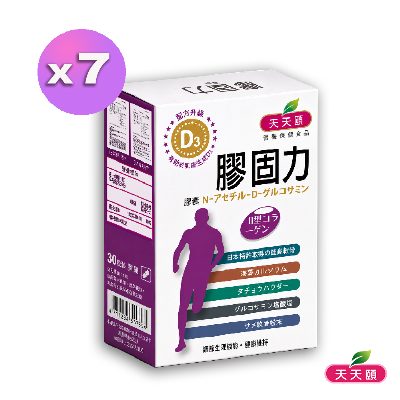
A closer look at 雙效升級版膠固力膠囊
雙效升級版膠固力膠囊 provides one capsule per serving and 30 servings per package. Its listed ingredients include algae calcium, glucosamine hydrochloride, ostrich extract powder, salmon island cartilage extract, shark cartilage powder, and vitamin D3; the product description also refers to undenatured type II collagen, glucosamine, and shark cartilage as part of its formula. The suggested use is one capsule daily with water, preferably after a meal. It should be stored in a cool, dry place away from high heat and direct sunlight, and the label states that it contains crustaceans, fish, and their products.
This option may be considered by middle-aged or older adults, people who sit for long periods, or those reviewing daily nutrition after a sports-related injury, but suitability depends on individual circumstances and does not replace injury assessment. The allergen statement deserves particular attention for anyone with seafood sensitivity. The presence of vitamin D3 or calcium also does not mean that a person should combine it automatically with other supplements; a pharmacist or clinician can help review the full daily intake, medicines, and relevant health history.
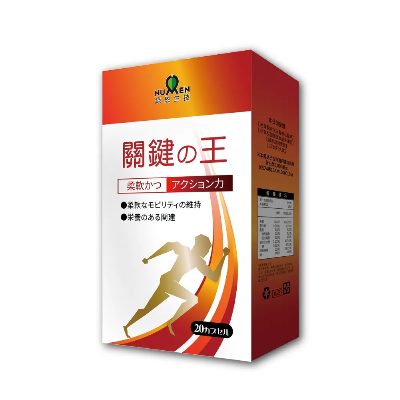
A brief note on 綠恩倍股立
綠恩倍股立 is described as a daily nutrition product designed for older adults. Its listed ingredients include passionflower extract, lemon verbena extract, cat’s claw extract, pearl powder, L-phenylalanine, glucosamine (NAG), inositol, and vitamin C, with a stated amount of 500 milligrams per capsule and 20 capsules per box. The suggested use is once daily, two tablets at a time, with an option to increase to three tablets; it may be taken before or after meals. Readers should check the package for the current directions and ingredient details before use.
Because this product includes several botanical and nutritional ingredients, the key selection issue is not only the target age group but also medication and allergy screening. Older adults may take medicines for multiple conditions, so a pharmacist’s review is especially sensible when adding any new supplement. The product can fit a reader’s comparison list when a simple once-daily schedule is preferred, while the broader care plan should still include suitable movement, balanced meals, and professional assessment for ongoing or unusual symptoms.
Common myths and a practical decision process
One common myth is that a supplement can rebuild worn cartilage simply because it contains collagen or cartilage-derived ingredients. Another is that more ingredients, patent references, or a longer product description automatically demonstrate superior suitability. A third is that a product is safe for everyone because it is sold as a food supplement. In reality, evidence varies by ingredient and outcome, formulations are not identical, and supplements can have side effects or interact with medicines. Clear labelling and realistic expectations are more useful than dramatic claims.
A practical decision process can follow four steps:
- Identify the main need: senior daily care, a capsule schedule, seafood avoidance, or a particular dietary concern.
- Compare the complete label: serving size, ingredient forms, allergens, storage, and directions.
- Check personal safety factors: medicines, chronic conditions, surgery plans, pregnancy, allergies, and age.
- Review the result after a reasonable period with a professional if symptoms persist, worsen, or interfere with normal activity.
Choosing by situation rather than price
For an older adult seeking a product specifically positioned for senior daily care, 固力構-固力專家 (銀髮族適用) offers a clearly stated one-to-three-capsule routine and a formula featuring salmon nasal cartilage, undenatured type II collagen, hyaluronic acid, and glucosamine. For someone who prefers a one-capsule schedule and is comfortable reviewing fish and crustacean warnings, 雙效升級版膠固力膠囊 provides a stated one-capsule serving and includes calcium, vitamin D3, glucosamine, and cartilage-related ingredients. 綠恩倍股立 may be considered by readers looking at an older-adult daily product with botanical ingredients and a once-daily tablet direction.
The best match depends on more than budget. A person with seafood allergies may need to exclude products carrying relevant warnings; someone taking multiple medicines may prioritise a pharmacist review; and someone who struggles with capsules may need to discuss other formats with a healthcare professional. No supplement should delay assessment of severe pain, a recent injury, unusual swelling, joint locking, or loss of function. The most dependable approach combines label literacy, realistic expectations, gradual activity suited to the individual, and professional guidance when symptoms or safety questions are unclear.
The information in this article is for reference only and does not constitute professional advice. For specific decisions, please consult a relevant professional based on your personal situation.