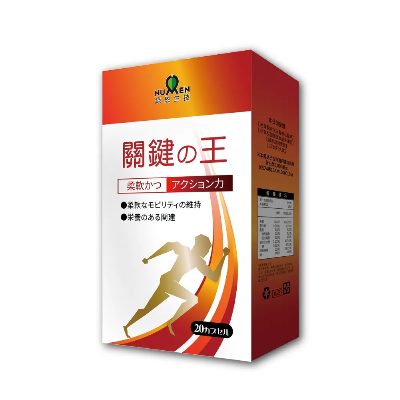

Joint care is not determined by a single capsule, exercise, or nutrient. A more practical approach combines varied meals, suitable movement, gradual progression, and careful product selection. For people who sit for long periods, adults returning to activity, older readers, and recreational exercisers, the main challenge is often choosing an option that fits daily habits rather than chasing an exaggerated promise. A balanced diet remains the foundation for obtaining vitamins and minerals, while walking, cycling, swimming, mobility work, and appropriately scaled strength training can fit many routines. Supplement labels still matter, especially when a product contains seafood, shellfish, eggs, or several overlapping nutrients. The guidance below is for general information only; anyone with an injury, ongoing condition, allergies, or regular medication should seek advice from a qualified healthcare professional.
Start with the real goal: a sustainable routine
Before comparing products, identify the situation that needs support. Someone who spends eight hours at a desk may need movement breaks and a gentle mobility plan, while a weekend hiker may care more about portability and a routine that works before or after activity. Older adults may place greater value on simple serving instructions, and people with a busy schedule may prefer a ready-to-drink format. These are practical selection criteria, not medical claims. A useful checklist includes the intended user, daily serving size, food allergens, storage requirements, ingredient transparency, and whether the product can be used consistently. The best choice is usually the one that matches the person’s routine and can be checked against professional advice when needed.
A joint-care plan should also include food quality. Meals built around vegetables, fruit, adequate protein, whole grains, calcium-containing foods, and sources of unsaturated fats are more useful than relying on a single isolated ingredient. Fish can be included as part of a varied diet when suitable, while plant-based choices may work for people who avoid seafood. Hydration and regular meal timing are easy to overlook, especially during workdays or travel. Supplements should be viewed as an optional nutritional addition, not a replacement for meals, sleep, movement, or clinical assessment.
Exercise choices: begin gently and progress gradually
Low-impact activity places less stress through the joints than running or jumping and can be easier to fit into an introductory routine. Walking on a comfortable surface, stationary cycling, swimming, water exercise, and selected yoga movements are common examples. A session can begin with several minutes of easy movement followed by range-of-motion work, then continue with light aerobic activity or controlled resistance exercises. This order gives the body time to warm up and helps the participant notice how the movement feels before adding load.
Strength work also has a place in joint care, but technique and progression matter more than lifting heavily. Resistance bands, light dumbbells, machines, or body-weight exercises can be adjusted for ability. A person returning after a long break may start with fewer repetitions and longer recovery, then increase one variable at a time. Sudden changes in duration, intensity, terrain, or footwear can make a routine difficult to sustain. Persistent pain, swelling, instability, or pain after an injury is a reason to pause and consult a healthcare professional rather than pushing through.
How to read a joint supplement label
A label should answer several basic questions: What are the active ingredients, how much is in one serving, how many servings are included, and what cautions apply? Shoppers should also check whether the product contains shellfish, fish, eggs, or other ingredients relevant to allergies. A familiar ingredient name does not automatically indicate that every formula is interchangeable, because amounts, combinations, directions, and product formats vary. It is sensible to compare the product label with other supplements already being used to avoid unnecessary duplication of nutrients.
Serving instructions deserve equal attention. A product intended for one capsule daily is different from a powder or liquid suggested once or twice daily, and storage instructions can affect routine convenience. Packaging should be followed rather than assuming that a larger serving is better. People taking prescription medicines, managing a chronic condition, preparing for surgery, or living with food allergies should discuss the ingredient list with a doctor or pharmacist. General safety information cannot replace an individual review of medical history.
Example: capsule format for a structured routine
雙效升級版膠固力膠囊 (capsules for a structured daily joint-nutrition routine) provides one capsule per serving and 30 servings per package. Its listed ingredients include seaweed calcium, glucosamine hydrochloride, ostrich extract powder, salmon island cartilage extract, shark cartilage powder, and vitamin D3. The product description also identifies a combination of undenatured type II collagen, glucosamine, shark cartilage, ostrich extract, and vitamin D3. Because it contains shellfish, fish, and their products, people with relevant allergies should read the packaging carefully and ask a healthcare professional whether it is appropriate.
The format may suit someone who prefers a clearly defined daily serving, such as an older adult, a desk-based worker, or a recreational exerciser seeking a simple nutrition routine. The stated use is one capsule daily with water, preferably after a meal. Storage is in a cool, dry place away from high heat and direct sunlight. Product descriptions should not be treated as a diagnosis or a promise of a particular result; the selection decision should remain focused on ingredients, allergen information, directions, and personal suitability.
Example: portable liquid and plant-extract formats
MOVEON 靈活飲 (portable liquid nutrition drink) comes in 25-millilitre portions and lists OVOMET® eggshell membrane powder, Bonepep™ hydrolysed egg yolk powder, and UC-II™ collagen complex among its named components. It also lists kiwi juice powder, green apple juice powder, turmeric extract, eggshell membrane powder, hydrolysed egg yolk powder, collagen complex, and vitamin D3. Each portion contains 6 calories and 0.2 grams of protein, with directions of one to two portions daily. The liquid format may be convenient for mature adults, manual workers, hikers, walkers, or gym users who prefer a portable option. Anyone with an egg allergy should check the label before use.
綠恩倍股立 (plant-extract capsule product) lists passionflower extract, lemon verbena extract, cat’s claw extract, pearl powder, L-phenylalanine, glucosamine NAG, inositol, and vitamin C. The stated specification is 500 milligrams per capsule, with 20 capsules per box, and directions of one daily intake of two capsules, with an optional increase to three capsules; it may be taken before or after meals. The product is presented for older adults and people seeking daily nutritional support. Because botanical ingredients and amino-acid-related ingredients may not suit everyone, the label should be reviewed with a pharmacist or doctor when medication, allergies, or a health condition is involved.
Choosing by lifestyle rather than by marketing language
For a desk worker, the priority may be a capsule with a simple serving instruction paired with hourly standing, short walks, and gentle mobility exercises. For an active adult, portability may be more valuable, making a portioned liquid easier to include after a walk or during travel. For an older person, clarity of directions, the ability to swallow the format, allergen awareness, and professional guidance may matter more than the number of listed ingredients. None of these choices replaces a balanced eating pattern or a properly assessed exercise plan.
A practical comparison can be made without relying on absolute claims. Check the format, serving frequency, ingredient categories, allergy warnings, storage, and whether the product fits the user’s schedule. Then consider the exercise environment: a pool, stationary bike, walking route, resistance band, or supervised class may be more relevant than a demanding programme. If pain lasts, movement becomes unstable, or a known condition is present, a clinician or physiotherapist can help tailor activity. The most responsible plan is specific enough to follow but flexible enough to change when the body or medical situation requires it.
A simple weekly framework
A beginner can divide the week into manageable blocks: gentle mobility on several days, low-impact aerobic activity on two or more days, and light strengthening with recovery between sessions. The exact schedule should reflect age, current fitness, injury history, and professional advice. A short walk after a work period, a few controlled sit-to-stand repetitions, or easy cycling can be more realistic than an ambitious programme that ends after one week. Warm-up, comfortable range of motion, gradual progression, and rest are basic safeguards.
Food planning can follow the same principle of consistency. Include colourful produce, protein at regular meals, calcium-containing foods when suitable, and a variety of minimally processed choices. Supplements can be logged with serving time and other products so that duplicate ingredients are easier to notice. Readers should stop and seek advice if a new product causes an unexpected reaction. This article is general information only and is not a substitute for diagnosis, treatment, or personalised medical advice.
Final checklist before choosing
The strongest starting point is not the product with the longest ingredient list; it is the option that can be understood, used as directed, and matched to the person’s needs. Confirm the serving size, ingredients, allergens, storage, and format. Pair the decision with realistic movement and a varied diet, then review the plan when circumstances change. For anyone with persistent symptoms, an injury, medication use, pregnancy, surgery plans, or a diagnosed condition, professional advice should come before adding a supplement or changing exercise intensity.
The information in this article is for reference only and does not constitute professional advice. For specific decisions, please consult a relevant professional based on your personal situation.