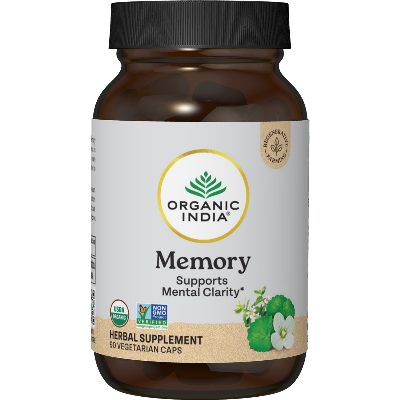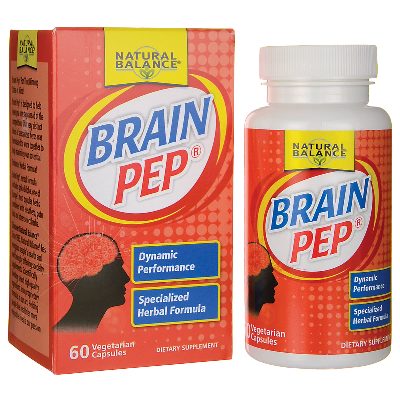

Brain health and focus supplements are often presented as quick answers to demanding workdays, long study sessions, or concerns about memory. A more useful approach starts with the basics: nutrition, sleep, physical activity, stress, medicines, and a clear reading of the label. Supplements are not substitutes for a varied diet, and marketing language should not be treated as proof of a medical outcome. In the United States, the FDA does not approve dietary supplements for safety and effectiveness before they reach the market, so consumers must review the Supplement Facts panel, warnings, serving directions, and other ingredients carefully.\n\n## Start with the purpose, not the promise\n\nThe first question is not which bottle sounds most advanced, but what the user is actually trying to address. Someone preparing for exams may be looking for a simple routine and predictable timing, while an older adult may be reviewing nutrient intake with a clinician because of medicines or an existing condition. A person with persistent memory changes, severe daytime sleepiness, mood changes, or difficulty functioning should seek medical assessment rather than attempting to manage the issue with a supplement. For everyday focus, the foundation remains regular meals, adequate fluids, consistent sleep, movement breaks, and realistic workload planning. A product can fit into that routine, but it should not become the entire strategy.\n\nCommon claims about memory, clarity, energy, or stress require careful interpretation. A label may describe intended nutritional support, yet that wording does not establish that every user will experience a noticeable result. Current public health guidance also cautions that direct evidence for supplements preventing dementia or Alzheimer’s disease is lacking. The practical goal is therefore a transparent choice: understand what a formula contains, decide whether its use fits the person’s circumstances, and avoid treating a supplement as a diagnosis or treatment.\n\n## Read Supplement Facts line by line\n\nA reliable comparison begins with serving size and amount per serving. Consumers should note whether a serving means one capsule, two capsules, or a larger daily schedule, then compare the actual daily intake rather than comparing front-label ingredient counts. The label should identify dietary ingredients, quantities, the number of servings per container, and other ingredients; FDA guidance specifically recommends reading these details before use. Proprietary blends deserve extra attention because the total blend amount may be shown without revealing the quantity of each botanical or nutrient.\n\nFor example, Memory lists a serving size of two capsules and provides 300 mg of certified organic Bacopa leaves and 300 mg of certified organic Gotu Kola aerial parts per serving. Its stated use is two capsules twice daily with food and water, which means the reader should distinguish the listed serving from the suggested daily schedule. Natural Brain Enhancers lists two veggie capsules per serving, including calcium, GPC at 300 mg, and PS at 100 mg, with directions for two capsules daily with food and intake no later than 4 p.m. These details are more useful than a vague promise of sharper thinking.\n\n## Avoid the most common selection mistakes\n\nOne frequent mistake is assuming that “natural” means risk-free. Botanical products can interact with medicines, and products containing caffeine may be unsuitable for people sensitive to stimulants or those who already consume coffee, tea, energy drinks, or pre-workout products. Brain Pep includes kola nut seed extract and states that it contains caffeine; its label directs users to take two vegetarian capsules daily and to follow professional guidance. Ginkgo is also not automatically harmless: NCCIH notes possible side effects and data suggesting a potential increase in bleeding risk.\n\nAnother mistake is stacking several formulas with overlapping ingredients. Combining a multivitamin-style product, a botanical blend, and a separate focus product can make total intake difficult to track. Qualia Mind lists vitamin C, vitamin D, several B vitamins, biotin, pantothenic acid, and magnesium per six vegetarian capsules, so its label should be reviewed alongside other supplements. Brain Health Memory Plus is described as containing Magtein Magnesium L-Threonate, Cognizin Citicoline, and vitamin B6; its suggested use is two tablets daily with or after a meal. More products do not necessarily mean a more suitable routine.\n\n## Using Memory as a label-reading example\n\nMemory is the most detailed example for readers seeking a capsule format built around Bacopa and Gotu Kola. The product identifies certified organic ingredients and vegetable pullulan capsules, and its stated positioning centers on mental clarity and focus within an Ayurvedic tradition. The label gives a serving size of two capsules, 45 servings per container, and a suggested use of two capsules twice daily with food and water. Readers should follow the package directions rather than improvising a larger amount.\n\nThe warning deserves equal attention to the ingredient list. The label says not to use the product during pregnancy or nursing without consulting a physician and includes a California Proposition 65 warning concerning lead exposure and reproductive toxicity. Those statements do not determine whether the product is appropriate for a particular person, but they are reasons to pause and discuss use with a physician or pharmacist when pregnancy, nursing, chronic health conditions, medication use, or uncertainty is involved. The product should be evaluated as a dietary supplement, not as a replacement for professional care.\n\n## Matching other products to practical situations\n\nProduct selection can be organized around routine preferences rather than exaggerated promises. Natural Brain Enhancers may appeal to adults who want a once-daily veggie-capsule schedule and a formula listing GPC and PS. The label recommends taking it with food and no later than 4 p.m., a detail worth considering for people who are sensitive to late-day products. Brain Pep may be relevant to readers comparing botanical blends, but the presence of caffeine makes the ingredient panel especially important for anyone managing stimulant intake.\n\nQualia Mind presents a broader vitamin-and-mineral profile in a six-capsule serving, while Brain Health Memory Plus uses a two-tablet daily format with or after a meal. These descriptions should not be converted into claims that one product is superior. A useful comparison asks whether the serving size fits the user’s routine, whether ingredients overlap with current products, whether the warnings are acceptable, and whether a healthcare professional should review the choice. If simplicity matters, fewer daily units may be easier to follow; if ingredient transparency matters, a clearly itemized panel may be more helpful than a broad blend.\n\n## A practical checklist before choosing\n\nBefore adding any brain health or focus supplement, write down the intended reason, current medicines, existing supplements, caffeine sources, allergies, and relevant health conditions. Check the serving size, full daily directions, ingredient amounts, other ingredients, storage instructions, and warnings. For people who are pregnant, nursing, managing a chronic condition, taking prescription medicines, or considering use for a child or older adult, consultation with a physician, pharmacist, or registered dietitian is a sensible safety step. FDA guidance places responsibility on consumers to read labels carefully, while manufacturers are responsible for meeting applicable safety and labeling requirements.\n\nA cautious trial, if a qualified professional considers it appropriate, should avoid changing several products at once. Keeping a simple record of timing, intake, sleep, caffeine, and any unwanted reactions makes it easier to identify patterns. Stop and seek professional advice if unusual symptoms occur. Above all, persistent cognitive concerns should be assessed clinically; a supplement label cannot establish the cause of memory or attention difficulties.\n\n## Final guidance for a balanced decision\n\nThe best choice is rarely the product with the longest ingredient list or the most confident wording. It is the option whose ingredients, serving schedule, warnings, and intended use are understandable and compatible with the person’s broader routine. Memory provides a clear example of checking botanical amounts and daily directions; Natural Brain Enhancers, Brain Pep, Qualia Mind, and Brain Health Memory Plus show why serving format, stimulant content, nutrient overlap, and meal timing deserve comparison.\n\nBrain health is a long-term topic, so everyday habits should remain central: varied meals, regular sleep, physical activity, social connection, and timely medical evaluation when changes persist. Supplement information is provided for general education only and does not replace individualized medical advice. A pharmacist, physician, or registered dietitian can help interpret the label in the context of medicines, conditions, pregnancy, nursing, and personal goals.
The information in this article is for reference only and does not constitute professional advice. For specific decisions, please consult a relevant professional based on your personal situation.