
Long hours with a phone, laptop, tablet, or monitor can make eye care feel like another task on an already crowded schedule. The practical question is not whether a supplement can replace healthy habits, but how screen users can combine sensible routines with a product that fits their dietary preferences, ingredient priorities, and daily rhythm. Frequent breaks, comfortable viewing conditions, regular blinking, and appropriate professional care remain central to a complete approach. The American Academy of Ophthalmology commonly recommends the 20-20-20 rule: after 20 minutes of screen use, look at something about 20 feet away for at least 20 seconds.
Start with habits before comparing supplements
A supplement should be considered an optional part of a broader routine rather than a substitute for rest or an eye examination. Screen users often blink less while concentrating, which may contribute to feelings of dryness and visual fatigue. Placing the monitor at a comfortable distance, reducing distracting glare, adjusting text size, and keeping lighting balanced can make long work sessions easier to manage. A short pause every 20 minutes is more realistic than waiting until discomfort becomes distracting, especially for office workers, students, gamers, and people who move between a laptop and phone throughout the day.
The 20-20-20 rule is simple, but consistency matters more than memorizing the name. A student can look across a classroom between study blocks, while an office worker can use a calendar reminder before switching tasks. People who wear contact lenses, have recurring discomfort, notice blurred vision, or experience symptoms that persist should seek advice from an optometrist or ophthalmologist rather than relying on a supplement alone. Eye supplements are dietary products and should not be presented as treatment for an eye condition.
Common myths about blue light and eye products
Blue light is often used as a broad marketing explanation for every screen-related complaint, yet screen discomfort can also reflect reduced blinking, glare, poor posture, small text, extended focusing, or insufficient breaks. The American Academy of Ophthalmology notes that regular breaks are a practical way to address digital eye strain and that ordinary screen use is not the same as proven permanent eye damage. Blue-light filters may feel comfortable for some users, particularly at night, but they do not replace good lighting, sensible screen distance, or professional assessment when symptoms continue.
Another common misconception is that a higher dose or a longer ingredient list automatically makes a product more suitable. Lutein and zeaxanthin are carotenoids found in foods and commonly used in eye-health supplements, but product labels should be read in context. Research on specialized formulas applies to particular eye conditions and patient groups, so it should not be generalized to every healthy screen user. Anyone taking prescription medicines, managing a health condition, pregnant or breastfeeding, or considering several supplements at once should consult a doctor, pharmacist, or other qualified professional before use.
How to compare a lutein supplement
A useful comparison begins with the label rather than the front-of-pack promise. Check the amount per serving, the stated serving size, the form of lutein, whether zeaxanthin is included, additional ingredients, dietary suitability, and the suggested daily intake. Consumers who already eat leafy greens, corn, eggs, or other varied foods may approach supplementation differently from someone whose meals are irregular. The goal is to choose a product that is clear, practical, and compatible with an existing routine, not to collect overlapping formulas.
For people who prefer a capsule format and a vegetarian formula, 舒適靈專利高效葉黃素液態膠囊 (liquid soft-gels) provides 15 mg of lutein and 3 mg of zeaxanthin per capsule. Its listed formula includes hyaluronic acid, astaxanthin, and flaxseed oil, and each box contains 30 capsules. The stated use is one capsule once or twice daily, taken with water; users should follow the package directions and consider whether the formula’s added ingredients match their own preferences. The product is positioned for people who spend long periods using their eyes, including office workers and students.
When a combined powder format may fit better
Some users find a powder or sachet easier to incorporate into a morning or lunchtime routine than a soft-gel. That format can be relevant for people who dislike swallowing capsules, travel between work locations, or prefer to organize daily supplements around a meal. Still, the serving size and nutrition panel deserve careful attention, particularly when a formula contains several named ingredients. Reading the label also helps users avoid accidentally taking duplicate vitamins from multiple products.
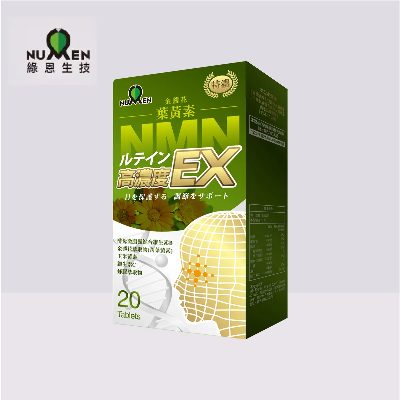
綠恩NMN+高濃度葉黃素 (powder supplement) lists a serving size of 3.5 grams and 20 servings per package. Its nutrition information lists 1.8 calories, 0 grams of protein, 0 grams of fat, 0.4 grams of carbohydrates, 0 grams of sugar, 0 milligrams of sodium, and 90 milligrams of vitamin C per serving; the listed formula also includes NMN, marigold lutein extract, propolis, and vitamin C. The suggested timing is morning or after lunch, with daily use according to the package directions. Because it contains multiple components, people using medicines or managing allergies should ask a professional whether it suits them.
A short option for broader nutrient preferences
Some shoppers are not looking for lutein alone and instead prefer a product described as a broader multi-nutrient eye formula. In that situation, the label should be compared with the person’s current diet and supplement routine. More ingredients can make a product feel comprehensive, but they can also make it harder to identify overlapping nutrients or decide which component matters most to the user. A clear serving size and transparent nutrition panel are therefore more useful than an impressive-sounding promise.
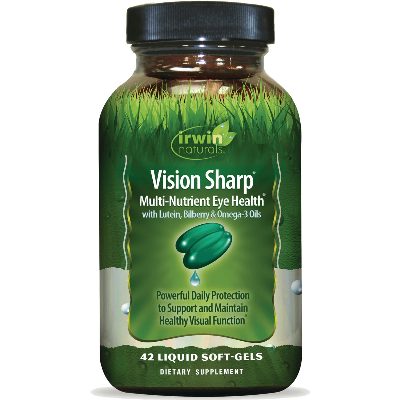
Vision Sharp Multi-Nutrient Eye Health lists a serving size of two liquid soft-gels and 21 servings per container. Its panel lists 20 calories, 1 gram of total fat, 5 milligrams of cholesterol, and 1 gram of total carbohydrate per serving. The product description mentions zinc, manganese, a proprietary Vision Sharp® blend of vitamins and carotenoid antioxidants, bilberry extract, and ginkgo biloba. Since the available label information does not establish suitability for a particular person or condition, the package should be reviewed carefully and professional advice sought when medication interactions or health concerns are possible.
Choose by situation, not by marketing intensity
For a student moving between online classes and late-night reading, eye breaks, larger text, and a capsule that fits a simple daily routine may matter more than a long ingredient list. For an office worker who prefers a vegetarian soft-gel, 舒適靈專利高效葉黃素液態膠囊 offers a clearly stated lutein-and-zeaxanthin amount plus additional listed ingredients. For a phone-heavy user who prefers a powder format and wants vitamin C included, 綠恩NMN+高濃度葉黃素 may be easier to organize around breakfast or lunch. For someone seeking a wider nutrient blend, Vision Sharp Multi-Nutrient Eye Health can be considered by reading its serving information and ingredient description closely.
Budget is only one decision factor, and it should not obscure compatibility. Consider capsule versus powder, vegetarian requirements, the number of products already being taken, serving frequency, and whether the routine can be followed consistently. No supplement removes the need for breaks, comfortable screen setup, or eye examinations when symptoms are persistent. Dietary supplement information is provided for general reference; individuals with a diagnosed eye condition, regular medication, allergies, or pregnancy-related questions should consult a qualified healthcare professional before starting a new product.
A practical checklist before purchase
A brief checklist can prevent impulsive decisions. First, identify the real need: long work sessions, heavy phone use, a vegetarian preference, difficulty swallowing capsules, or interest in a broader nutrient formula. Next, compare the amount per serving and serving instructions instead of comparing front-label claims. Then check whether ingredients overlap with products already used, and keep the package available for a pharmacist or doctor if medication questions arise.
Finally, set expectations around routine rather than instant results. A product can be organized around breakfast, lunch, or another dependable daily cue, but the habit should sit alongside screen breaks, blinking, suitable lighting, and timely professional care. The most reasonable choice is the one whose format, label, and intended use fit the reader’s circumstances without replacing basic eye-care behavior. When discomfort is frequent, severe, or persistent, a clinical assessment is more appropriate than switching repeatedly between supplements.
The information in this article is for reference only and does not constitute professional advice. For specific decisions, please consult a relevant professional based on your personal situation.