
Eye care starts with ordinary decisions rather than a single product: how long someone looks at a screen, whether meals include colorful plant foods, and whether a supplement label is read carefully. For office workers, students, drivers, gamers, and adults who spend much of the day on phones or laptops, a practical routine can make eye comfort easier to manage. The aim is not to promise a medical result, but to build habits that respect the limits of nutrition and supplements. Persistent blurred vision, eye pain, flashes, sudden floaters, or ongoing dryness should be assessed by an eye-care professional rather than handled through self-selection alone.
Start With Screen Habits and Eye Rest
Long periods of close screen work can be associated with tired, dry, or uncomfortable eyes, especially when blinking becomes less frequent and the display is brighter than the surrounding room. A useful starting point is to place the monitor about an arm’s length away, keep the top of the screen near eye level, and adjust brightness so it matches the room instead of appearing like a light source. Regularly looking into the distance gives the eyes a change from continuous near focus; short pauses are more realistic than waiting until discomfort becomes severe. Contact-lens wearers may need extra attention to dryness, while people who use several screens should avoid positioning them so the head and eyes constantly move between very different distances.
A simple routine can fit into a normal workday. After finishing an email or meeting, the user can look away from the screen, blink deliberately, and relax the shoulders before returning to the task. Reflections from windows and overhead lights should be reduced, and text can be enlarged instead of forcing the face closer to the display. Artificial tears may be considered for dry-eye symptoms, but repeated or unexplained discomfort deserves professional guidance. Screen settings may support comfort, yet they do not replace breaks, a suitable prescription, or an eye examination when vision changes continue.
Build Meals Around Variety, Not a Single “Superfood”
Food choices are best viewed as part of an overall eating pattern. Dark leafy vegetables such as spinach and kale, orange vegetables such as carrots and squash, berries, beans, eggs, nuts, and other minimally processed foods can add different nutrients to meals. A weekday example might include spinach in an omelet, berries with plain yogurt, and roasted squash alongside dinner. This approach is more practical than chasing one ingredient or assuming that a brightly colored food can compensate for poor sleep, prolonged screen exposure, or an uncorrected vision problem.
Lutein and zeaxanthin are carotenoids often discussed in relation to eye nutrition, while anthocyanins are plant pigments found in foods such as dark berries. Their presence in a diet does not mean that every person needs a supplement, and research findings do not support treating ordinary products as substitutes for medical care. People with restricted diets, absorption concerns, pregnancy, chronic conditions, or regular prescription medicines should discuss supplement decisions with a qualified clinician. Food-first planning also makes it easier to notice what is actually being consumed instead of relying on vague claims printed on a package.
Common Supplement Myths and Label Checks
A supplement label can look persuasive when it uses familiar nutrient names, but the presence of an ingredient is not the same as proof that a product is suitable for every user. In the United States, dietary supplements are not approved by the FDA for safety and effectiveness before sale in the same way as medicines, so adults should read the Supplement Facts panel, serving size, directions, ingredient list, and warnings carefully. A product should not be selected because it promises to cure, prevent, or reverse a condition. Those claims go beyond responsible everyday eye-care guidance.
The label should also be compared with the person’s actual needs. Check whether the formula duplicates nutrients from another supplement, whether the serving instruction is clear, and whether the user takes medicines that could interact with ingredients. “Natural” does not automatically mean risk-free, and taking more capsules is not a shortcut to better nutrition. Anyone managing an eye disease, preparing for a procedure, taking several medicines, or experiencing new visual symptoms should ask a healthcare professional before starting a supplement. These points are general information, not a personal diagnosis or treatment plan.
Understanding Eye Support Before Choosing It
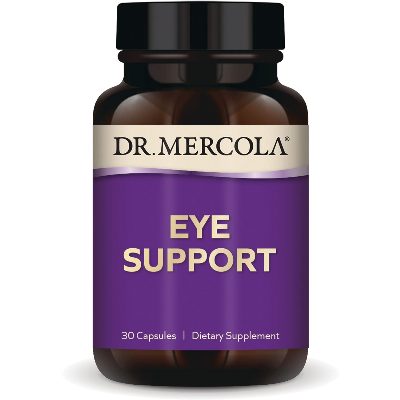
Eye Support is a dietary supplement for adults with a serving size of one capsule and 30 servings per container. Its Supplement Facts list anthocyanins from black currant fruit extract at 50 mg, lutein from marigold flower extract at 10 mg, organic astaxanthin from Haematococcus pluvialis powder at 2 mg, and zeaxanthin from marigold flower extract at 2 mg. The label also lists organic tapioca maltodextrin, a hydroxypropyl methylcellulose capsule, sucrose, hydroxypropyl methylcellulose, tapioca starch, and mixed tocopherols among the other ingredients. The Daily Value is not established for the listed active ingredients.
The product’s suggested use states that adults may take one capsule daily as a dietary supplement. That instruction makes the product easy to compare with a routine that already includes breakfast or another consistent daily event, but it should not be interpreted as a promise of a particular visual outcome. Eye Support may be relevant to adults who want a formula containing lutein, zeaxanthin, anthocyanins, and astaxanthin in one capsule, including people who spend many hours at screens. Before choosing it, users should confirm the current package label, review the other ingredients, and consider whether the formula overlaps with products already in their routine.
Match the Choice to the Real-Life Situation
For a student or office worker, the first priority is usually a workable screen routine: suitable lighting, readable text, frequent distance changes, and a professional check when discomfort persists. For someone whose meals rarely include colorful produce, adding varied foods may be a more direct first step than immediately buying a supplement. For an adult considering Eye Support, the relevant questions are whether a one-capsule serving fits the routine, whether the listed ingredients match the person’s dietary preferences, and whether a clinician has identified any reason to avoid or review supplementation.
The decision should also account for what a product cannot do. A supplement cannot correct an outdated prescription, remove glare from a poorly arranged desk, or explain sudden changes in vision. People who have eye disease, take prescription medicines, are pregnant or nursing, or have a planned medical procedure should seek individualized advice before use. When the need is mainly everyday comfort, habits and an eye examination remain central; when the need is a specific medical condition, care should be guided by an eye-care professional rather than by a general product comparison.
A Practical Eye-Care Checklist
A sustainable plan can be reviewed once a week instead of treated as a complicated project. The user can check whether the workstation is comfortable, whether screens are positioned at a reasonable distance, whether meals contain a range of plant foods, and whether any supplement is being taken exactly as labeled. It is also useful to note recurring dryness, headaches, night-vision concerns, or changes in clarity, because patterns can help a clinician understand what is happening. Children, older adults, and contact-lens users may need guidance tailored to their age, health history, and daily routines.
The most responsible selection process combines everyday habits with careful label reading. Eye Support offers a clearly listed blend of anthocyanins, lutein, astaxanthin, and zeaxanthin for adults, while food variety, screen breaks, lighting, and regular professional care address the broader context. No single capsule replaces sleep, an appropriate prescription, or evaluation of warning signs. Use this guide for general education only, and seek qualified medical advice for personal health decisions or ongoing symptoms.
The information in this article is for reference only and does not constitute professional advice. For specific decisions, please consult a relevant professional based on your personal situation.