
Pregnancy often comes with a long list of vitamins, powders, teas, and wellness products that promise to make the journey easier. The harder question is not what to add, but what to avoid or check carefully before taking. Because pregnancy changes how the body handles nutrients and herbal compounds, the same product that seems harmless on a normal day may deserve extra caution during this period. The safest approach is to treat every supplement as a real ingredient choice, not a casual habit.
Why some supplements need caution
Pregnancy is a time when the margin for error is smaller, especially with products that deliver concentrated nutrients or plant extracts. A supplement may look simple on the label, yet still contain doses that are far above daily needs, or combinations that have not been well studied in pregnancy. This is why many clinicians ask pregnant women to bring the full list of vitamins, teas, and wellness capsules to prenatal visits. The main goal is not to create fear, but to avoid unnecessary overlap and ingredients that are not a good fit for this stage.
Vitamin A and retinol-heavy formulas
One of the most discussed ingredients in pregnancy is vitamin A, especially when it appears as retinol or retinyl esters in high-dose formulas. Standard prenatal vitamins are designed differently from skin, beauty, or immune-support products, and that distinction matters because some non-prenatal supplements can contain vitamin A levels that are far higher than expected. Liver products and cod liver oil can also be relevant here, since they may add significant amounts on top of a multivitamin. Reading the ingredient list matters more than trusting the front label.
Herbal blends and concentrated botanical products
Herbal supplements are another area that deserves caution because “natural” does not automatically mean suitable for pregnancy. Multi-herb blends sold for stress, sleep, digestion, or cleansing may contain ingredients that have limited pregnancy data or that vary widely by brand and strength. Even products marketed as gentle, detoxifying, or traditional can be hard to evaluate if the formula is a proprietary blend with unclear amounts. For that reason, many pregnancy care plans favor simple, single-purpose nutrients over broad botanical mixes.
Fat-loss, energy, and sports-style products
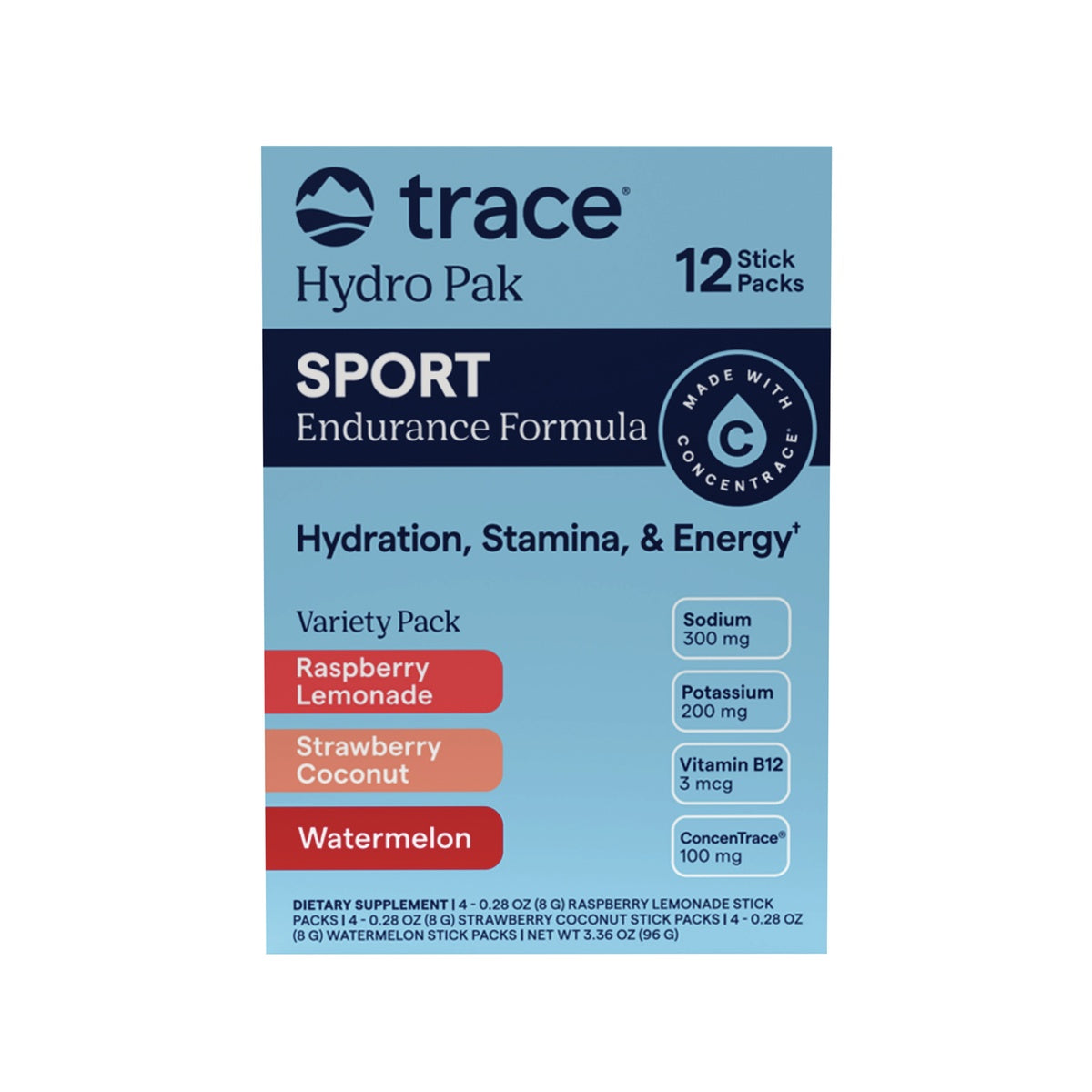
Products marketed for weight management, energy, or performance deserve special attention because they often combine caffeine, stimulant-like compounds, or multiple active ingredients in one capsule or drink. During pregnancy, that combination can create confusion about what is actually being consumed, especially when the label uses terms like metabolism support, thermogenic, or fast energy. These products can also overlap with prenatal vitamins, creating unnecessary duplication of certain nutrients. If a product is designed to push energy, suppress appetite, or intensify training, it usually deserves a closer look before use in pregnancy.
Calcium, iron, and mineral stacking
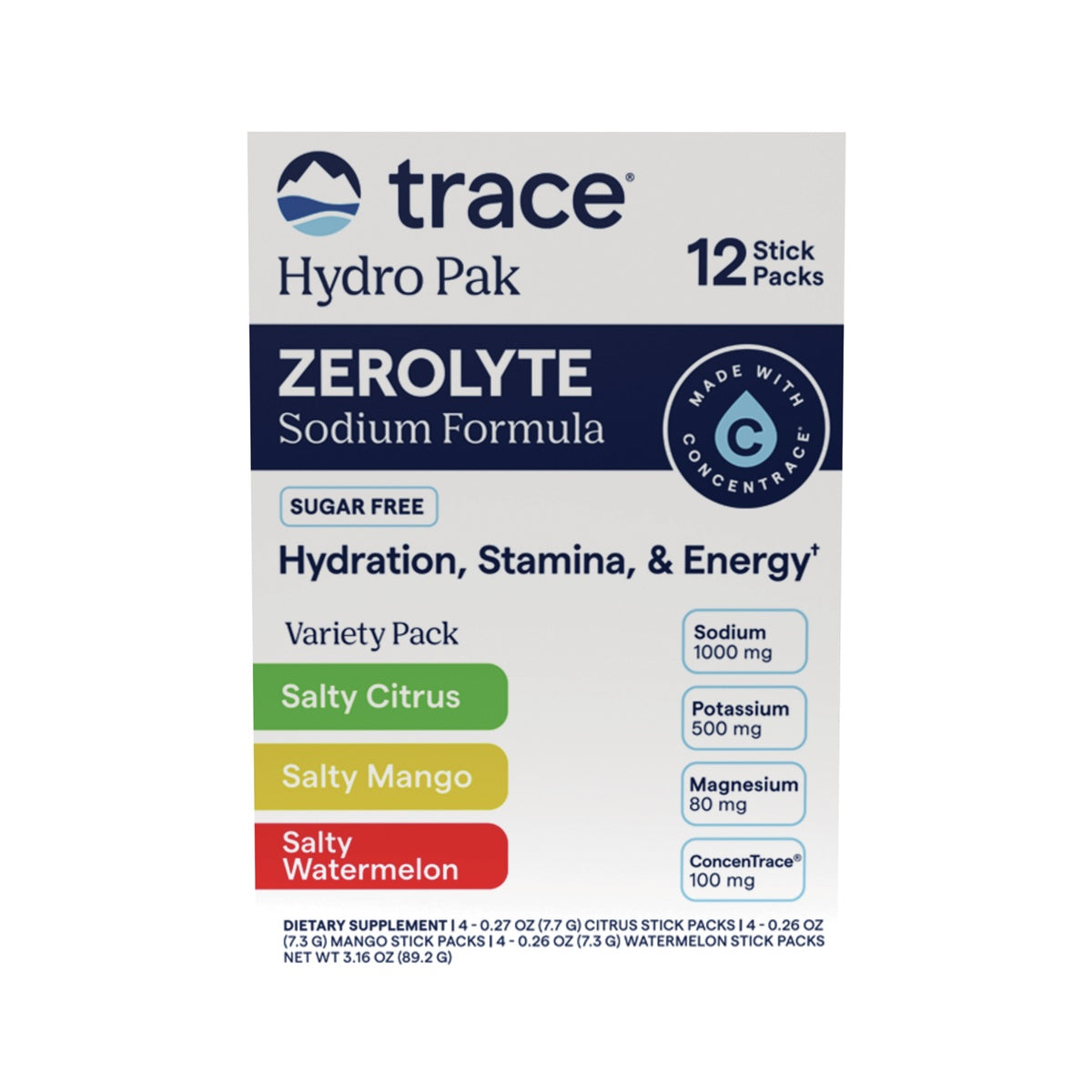
Not every supplement to avoid is a “bad” ingredient; sometimes the concern is simply too much of a useful one. Pregnant women who take a prenatal vitamin, an iron tablet, a calcium product, and a separate magnesium formula may end up with overlapping minerals that are hard to balance without guidance. Excessive stacking can also interfere with routine comfort, such as constipation, nausea, or difficulty timing doses around meals. A cleaner plan often works better than collecting several separate bottles from different categories.
How to check a label before taking anything
A practical label check starts with the active ingredients, not the marketing claims. The next step is to compare each product against the prenatal vitamin already in use, then look for retinol, multiple herbal extracts, added stimulants, or duplicate minerals. It also helps to pay attention to products bought online, imported formulas, or gifts from friends, because labeling standards can vary and the intended use may not fit pregnancy. When in doubt, bringing the bottle to a prenatal appointment is often more useful than trying to interpret every ingredient alone.
Pregnant women do not need to treat all supplements as dangerous, but they do need a more selective routine than usual. The most practical rule is to keep the list short, avoid doubling up on ingredients, and be cautious with herbal or high-dose formulas that were not designed for pregnancy. If a product is meant for weight loss, beauty, energy, or general wellness rather than prenatal care, it is worth checking with a clinician or pharmacist first. That extra step is often the simplest way to make supplement choices feel more controlled and less confusing.