Vitamin D is often nicknamed the “sunshine vitamin”, so many people assume that going outside is the only way to make it useful in the body. In reality, sunlight is just one of several pieces in the vitamin D puzzle. This article looks at how the body handles vitamin D, the role of sun exposure, what food and supplements can provide, and who might need to pay extra attention. The goal is to give readers a clear, balanced overview, without promising any medical effects, so they can discuss informed choices with healthcare professionals.
How the Body Uses Vitamin D
Before asking whether vitamin D “needs” sunlight to work, it helps to understand what this nutrient does once it enters the body. Vitamin D is involved in how the body manages calcium and phosphorus, which are important for bones and many other functions. It acts more like a hormone than a typical vitamin, being converted in the liver and kidneys into active forms that interact with cells throughout the body. Because of this wide reach, researchers have studied vitamin D in connection with bones, muscles, immunity and other systems, but many findings are still being discussed and refined. Readers should treat these topics as general information and consult doctors or dietitians for personal guidance.
Sunlight and Skin: The Natural Production Route
A major natural source of vitamin D is the skin’s own production when exposed to ultraviolet B (UVB) rays from sunlight. When bare skin receives enough UVB, it can produce vitamin D3, which then enters the bloodstream and is processed by the liver and kidneys. Factors such as time of day, season, latitude, air pollution, clothing, sunscreen use and skin tone all influence how much vitamin D is formed during outdoor activities. For example, someone living near the equator with frequent midday outdoor work may have different vitamin D levels compared with an office worker in a northern city with long winters. However, more sun is not always better; dermatology and cancer organizations warn that excess UV exposure carries risks, so any change in sun habits should be discussed with healthcare professionals.
Food Sources: What Diet Can Contribute
Vitamin D is not found in large amounts in many everyday foods, but certain items can contribute meaningfully. Common examples include fatty fish such as salmon and mackerel, egg yolks, liver, and foods that manufacturers fortify with vitamin D, like some milks, plant-based drinks and breakfast cereals. In households that rarely see strong sunlight, regularly including these foods can be one way to support overall vitamin D intake as part of a balanced diet. Cultural habits also matter; in some countries, fortified dairy and spreads are common, while in others, fish is a regular part of traditional cooking. People with dietary restrictions, such as vegans or those avoiding specific food groups, may want to speak with nutrition professionals about alternative sources and overall nutrient planning.
Supplements: When They Are Considered
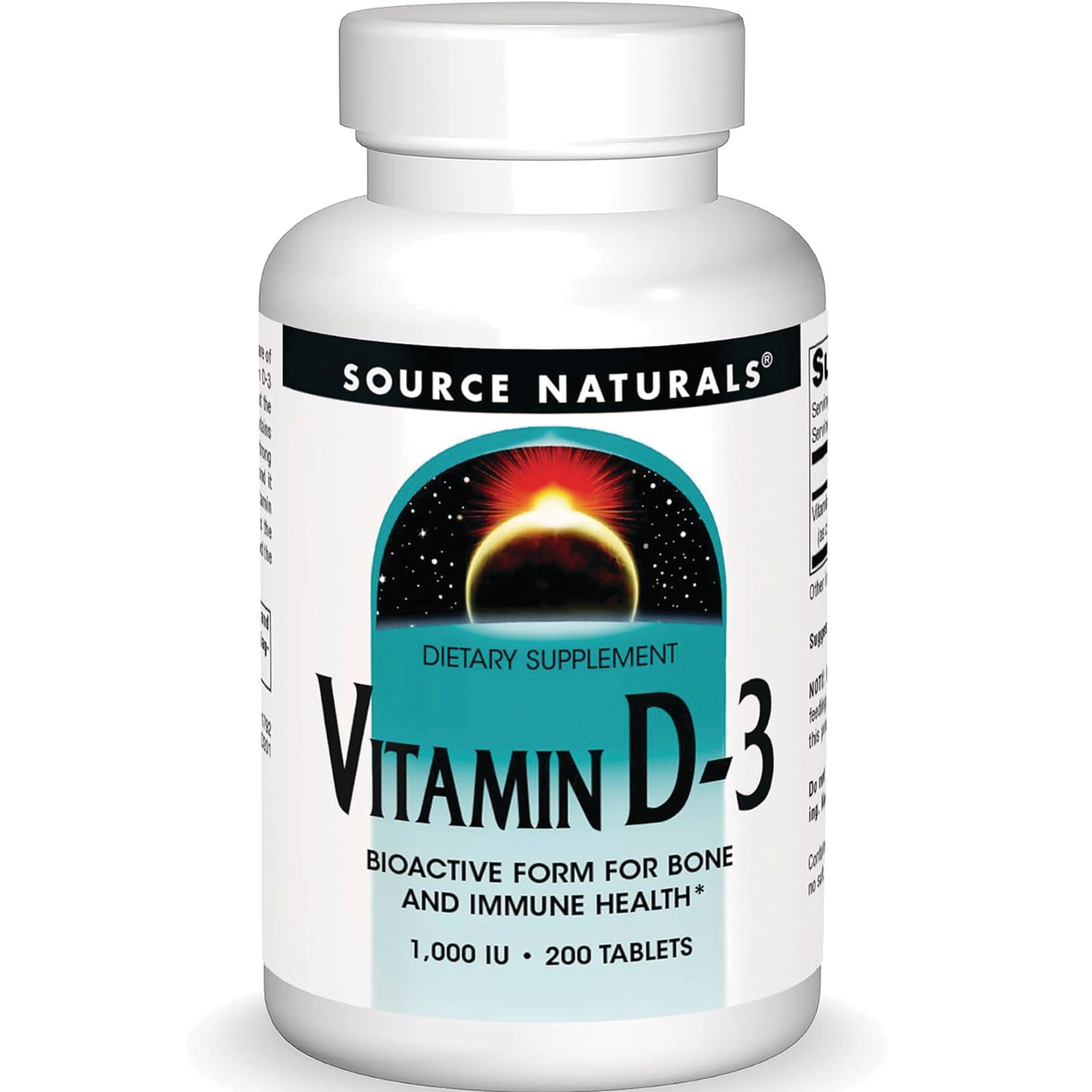
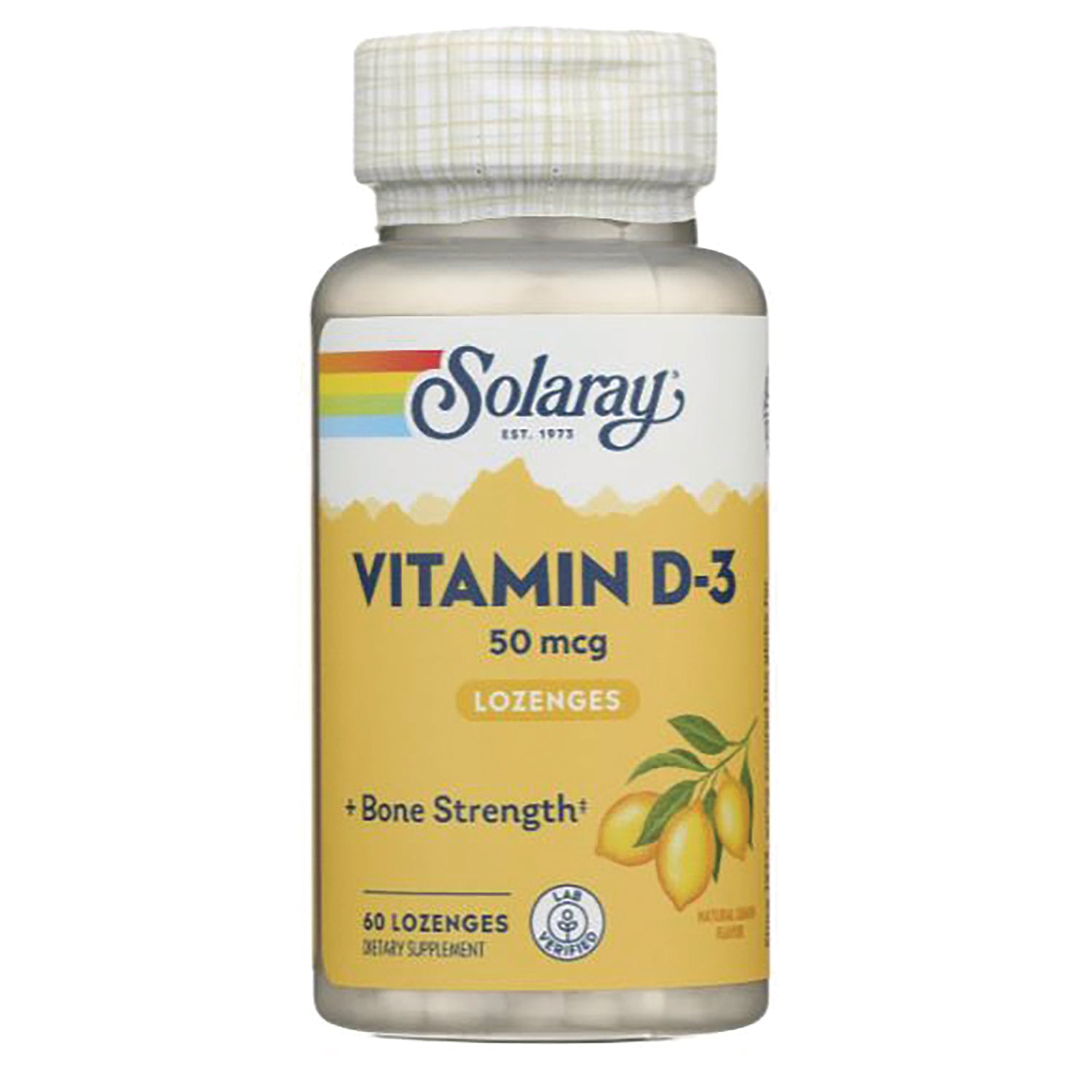
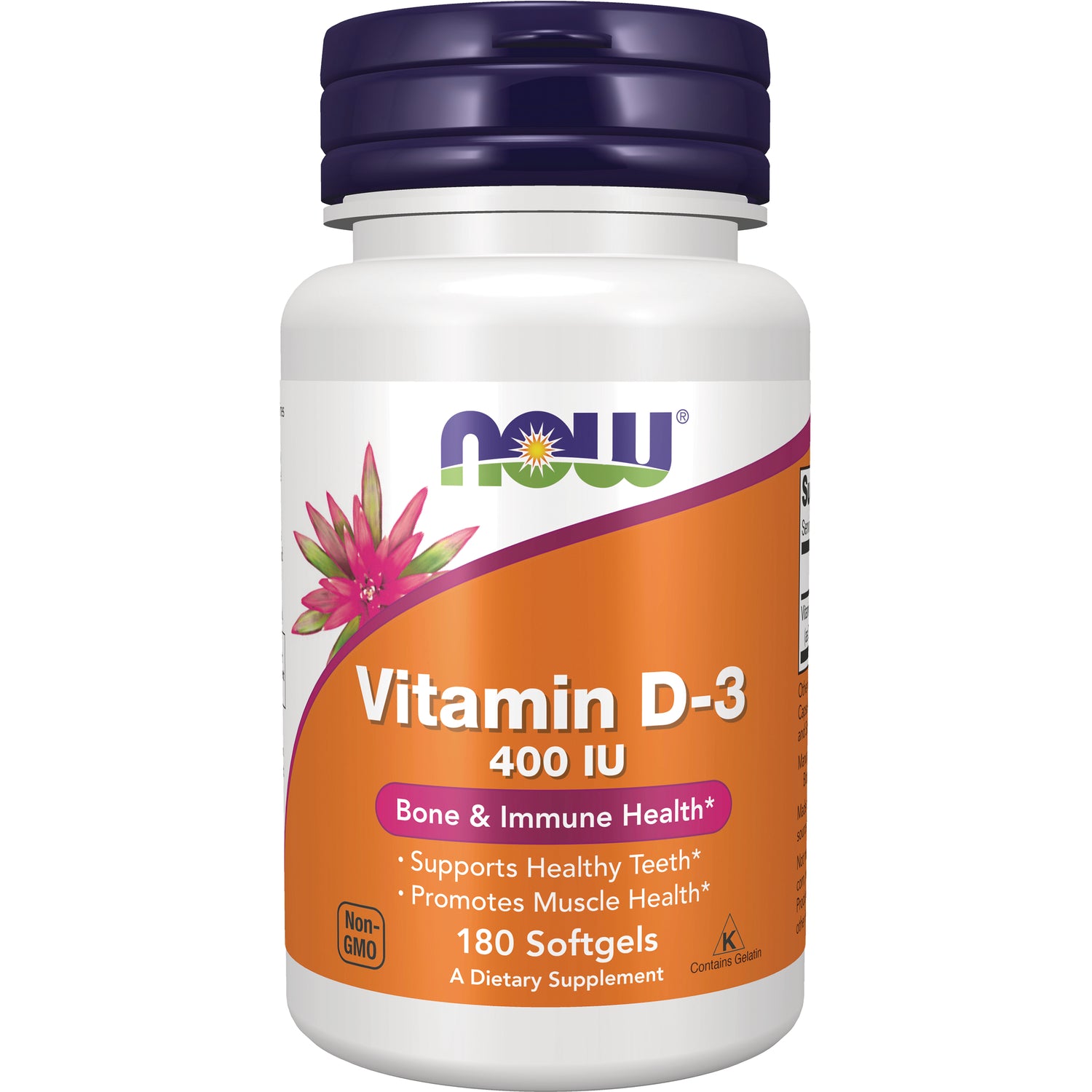
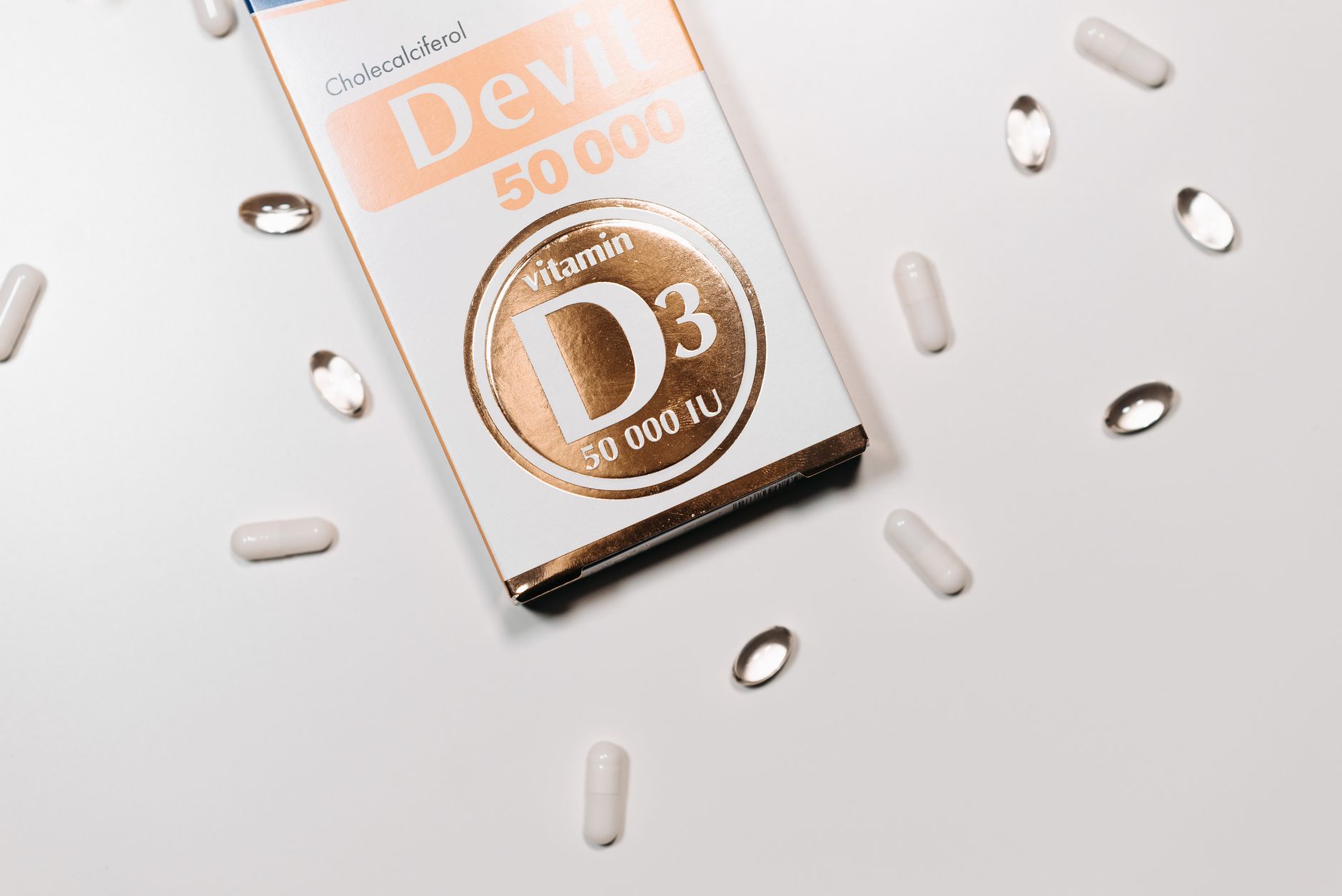
Vitamin D supplements come in many forms, including drops, capsules, tablets and combination products with calcium or other nutrients. Healthcare providers may suggest supplements for people whose blood tests show low levels, or whose lifestyle and health status make adequate sun and dietary intake difficult. Examples include older adults, shift workers, individuals who cover most of their skin for cultural or personal reasons, or readers living in regions with long, dark winters. Dosage decisions should not be based solely on marketing claims or online opinions, because high intakes over time can also raise concerns. Instead, guidelines from reputable health organizations and personalized advice from doctors or registered dietitians are key for deciding whether a supplement fits someone’s situation.
Situations with Limited Sun Exposure
Many modern routines naturally limit sunlight, from long hours at desks to frequent use of cars and indoor entertainment. Apartment living in dense cities, concerns about air quality, or very hot climates can further reduce comfortable outdoor time. In these contexts, it is common for people to wonder if they can rely on diet or supplements rather than deliberately sunbathing. Health professionals often encourage a mix of sensible outdoor habits, appropriate clothing and sunscreen use, plus attention to food choices. Where blood tests suggest low vitamin D levels, they may also discuss tailored supplementation instead of advising risky levels of sun exposure.
Lifestyle, Skin Type and Individual Differences
There is no single rule that fits everyone when it comes to vitamin D and sunlight because individual factors vary widely. Skin type affects how quickly someone tans or burns and how efficiently their skin may produce vitamin D under UVB light. Medical conditions, medications, age and body weight can also influence how vitamin D is absorbed, stored and processed. Because of these layers of complexity, research papers often include cautious language and emphasize the need for more data, especially for specific groups. Readers are encouraged to view vitamin D advice as part of broader health planning and to seek professional input instead of making large changes based only on general articles.
Practical Takeaways and Safety Reminder
For most people, vitamin D can come from a combination of sunlight, food and properly guided use of supplements, rather than from sunlight alone. Moderate outdoor time with attention to skin protection, alongside meals that include vitamin D sources, is often discussed as a balanced approach. Blood tests ordered by healthcare providers offer a more accurate picture of vitamin D status than guessing based on lifestyle alone. Since this topic touches on health, any information here should be treated as educational, not as medical or treatment advice. Readers with concerns about bones, energy levels or other symptoms should consult qualified professionals to interpret their situation and discuss safe, evidence-based options.