
Dry eye discomfort is more than a temporary feeling of tiredness. It can involve stinging, burning, grittiness, redness, watery eyes, blurred vision or difficulty wearing contact lenses. The underlying issue may be too few tears, tears that evaporate too quickly, or a combination of both. Screens, indoor heating, air conditioning, wind, smoke, contact lenses, medicines, age-related changes and some health conditions can all be relevant. A practical approach begins by observing when symptoms appear, then matching daily habits and lubricating products to that pattern. This article explains common causes, sensible care steps and situations that call for professional assessment. Health information is for general reference and does not replace an eye examination.
What dry eye discomfort can feel like
Dry eye symptoms do not always look like a lack of tears. Some people notice a sandy or scratchy sensation, while others experience burning, intermittent blur or sensitivity to light. Eyes may water excessively because irritation triggers reflex tearing, but those tears may not remain on the eye surface long enough to provide lasting comfort. Symptoms can fluctuate during the day, becoming more noticeable late in the afternoon, after reading, during computer work or in dry indoor air.
The pattern matters because occasional discomfort after a long day is different from persistent pain or vision changes. Keeping a simple note of timing, activities, contact lens use and products applied can help an optometrist or ophthalmologist understand the situation. Rubbing the eyes may feel temporarily soothing, but it can further irritate the delicate surface and make the cycle harder to interpret. Persistent redness, pain, discharge or blurred vision should not be dismissed as ordinary screen fatigue.
Common causes and everyday triggers
Tears contain watery, oily and mucus components that work together to keep the eye surface smooth. Disruption in tear quantity or quality can create dryness. Long periods of screen use are relevant because people often blink less or blink incompletely while concentrating. Contact lenses worn for extended periods, smoke, wind, airplane cabins, heating and air conditioning can also increase evaporation or irritation. Age-related changes and hormonal shifts may contribute as well.
Some medicines, including certain antihistamines, antidepressants and decongestants, may be associated with dry eye symptoms. Conditions such as diabetes, thyroid disease, rosacea, rheumatoid arthritis, lupus and Sjögren’s syndrome can also be relevant. This does not mean a person should stop prescribed medicine independently. Instead, recurring symptoms should be discussed with the prescribing clinician or an eye-care professional, especially when they begin after a medication change or occur alongside other symptoms.
Screen use, blinking and the eye environment
A comfortable screen routine is usually more useful than simply staring at a display from farther away. During focused work, the blink rate may fall and each blink may be incomplete, leaving parts of the eye surface exposed. A practical routine includes taking regular pauses, looking into the distance, deliberately closing the eyes fully several times and positioning the monitor slightly below eye level. Text size, glare and room lighting also matter because squinting and sustained concentration can make discomfort more noticeable.
The surrounding environment deserves equal attention. Direct airflow from a fan, heater or air conditioner can dry the eye surface, while smoke and dusty air may increase irritation. A humidifier may be useful in a very dry room, but it should be cleaned according to the manufacturer’s instructions. Sunglasses or wraparound glasses outdoors can reduce exposure to wind and airborne particles. These steps are not a substitute for diagnosis, but they can make daily routines more comfortable for people whose symptoms are linked to specific settings.
Choosing lubricating eye drops thoughtfully
For occasional or mild symptoms, nonprescription artificial tears are commonly used as lubricating drops. Product labels differ, so users should follow the directions, check whether the bottle is intended for frequent use and avoid sharing eye drops. If drops are needed repeatedly over a long period, preservative-free single-use options may be worth discussing with an eye-care professional. Drops marketed primarily to reduce redness are not the same as lubricating tears and may be unsuitable for ongoing self-directed use.
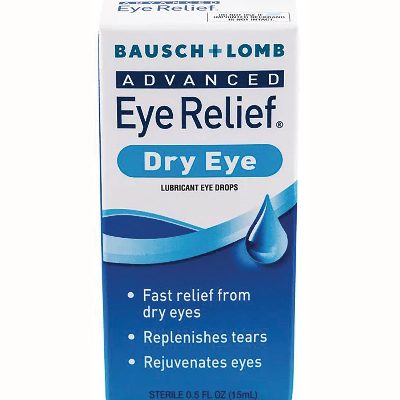
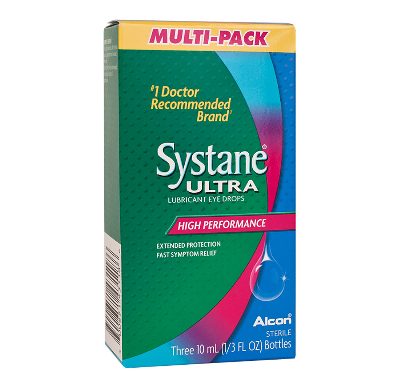
Advanced Eye Relief Dry Eye is a lubricating eye-drop solution containing glycerin 0.3% and propylene glycol 1.0%. Its stated purpose is to provide moisture and comfort for dry or irritated eyes, and the product information describes it as suitable for frequent use. Users should still read the package directions and stop to seek advice if the product causes a poor reaction. SYSTANE ULTRA LUBRICATING EYE DROPS Three 0.33 oz Bottles Three 0.33 oz Bottles contains polyethylene glycol 400 0.4% and propylene glycol 0.3%; its instructions state to shake well and instill one or two drops in the affected eye or eyes as needed. Product suitability depends on symptoms, contact lens use, allergies and other eye conditions.
When a nighttime ointment may be considered
Ointments are thicker than drops and may remain on the eye surface for longer, which is why some people consider them before bedtime when dryness is especially noticeable overnight. Temporary blurred vision can occur after application, so nighttime use is more practical than using a thick ointment before driving or detailed visual work. Clean hands, careful application and avoidance of touching the tube tip to the eye are basic safety habits. Package directions should always take priority.
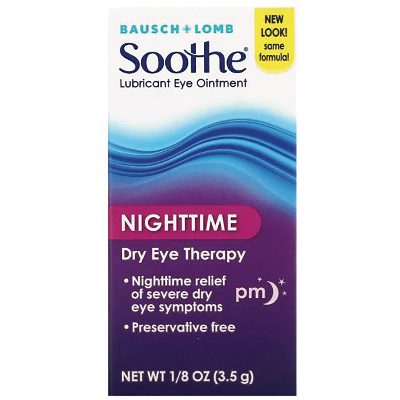
Soothe Lubricant Eye Ointment - Nighttime - Nighttime contains mineral oil 20% and white petrolatum 80%, both listed as lubricants. The product is intended for nighttime use and is applied inside the lower eyelid using the recommended amount. It may be relevant for people who notice dryness while sleeping, but persistent symptoms still warrant professional assessment rather than indefinite self-treatment. Anyone with contact lenses, an eye infection, recent eye surgery or an unusual reaction should ask a clinician whether an ointment is appropriate.
When to seek professional eye care
An eye examination is appropriate when discomfort persists, repeatedly returns, interferes with contact lens wear or does not respond as expected to ordinary lubricating drops. Prompt attention is especially important for significant pain, marked redness, discharge, light sensitivity, a noticeable change in vision or symptoms in a red eye while wearing contact lenses. Sudden vision loss or a severe allergic reaction requires urgent medical care. These warning signs can point to problems that are not simply routine dryness.
A clinician may review medicines, blinking and eyelid habits, contact lens wear, medical history and the appearance of the eye surface. The evaluation may also consider eyelid inflammation, tear drainage, allergies or an underlying condition. People should not change prescribed medicine or use someone else’s eye drops without advice. When symptoms continue despite self-care, professional guidance can help identify a more suitable product or a different cause.
A realistic daily care routine
A manageable routine works better than collecting many products and changing them frequently. During screen work, schedule visual pauses, blink fully and reduce direct airflow. Outdoors, protect the eyes from wind and smoke; indoors, pay attention to dry air and ventilation. Use lubricating drops according to the label, keep applicator tips clean and record whether a product causes burning, blur or worsening redness. Contact lens users should follow their wearing and replacement schedule and remove lenses when discomfort develops.
The goal is not to ignore symptoms or promise a single solution. It is to recognize patterns, reduce avoidable triggers and seek advice when the problem is persistent or unusual. If a person needs drops very frequently, has recurring pain or notices any change in vision, an eye-care professional should guide the next step. With careful observation and appropriate product use, readers can make more informed decisions about everyday eye comfort while avoiding unnecessary delays in evaluation.
The information in this article is for reference only and does not constitute professional advice. For specific decisions, please consult a relevant professional based on your personal situation.