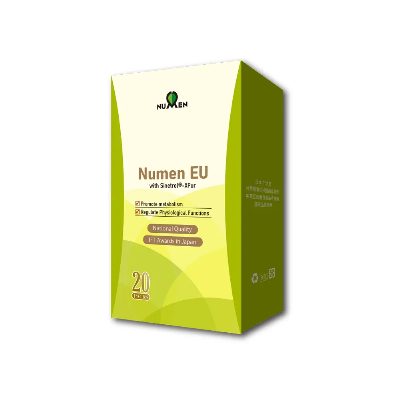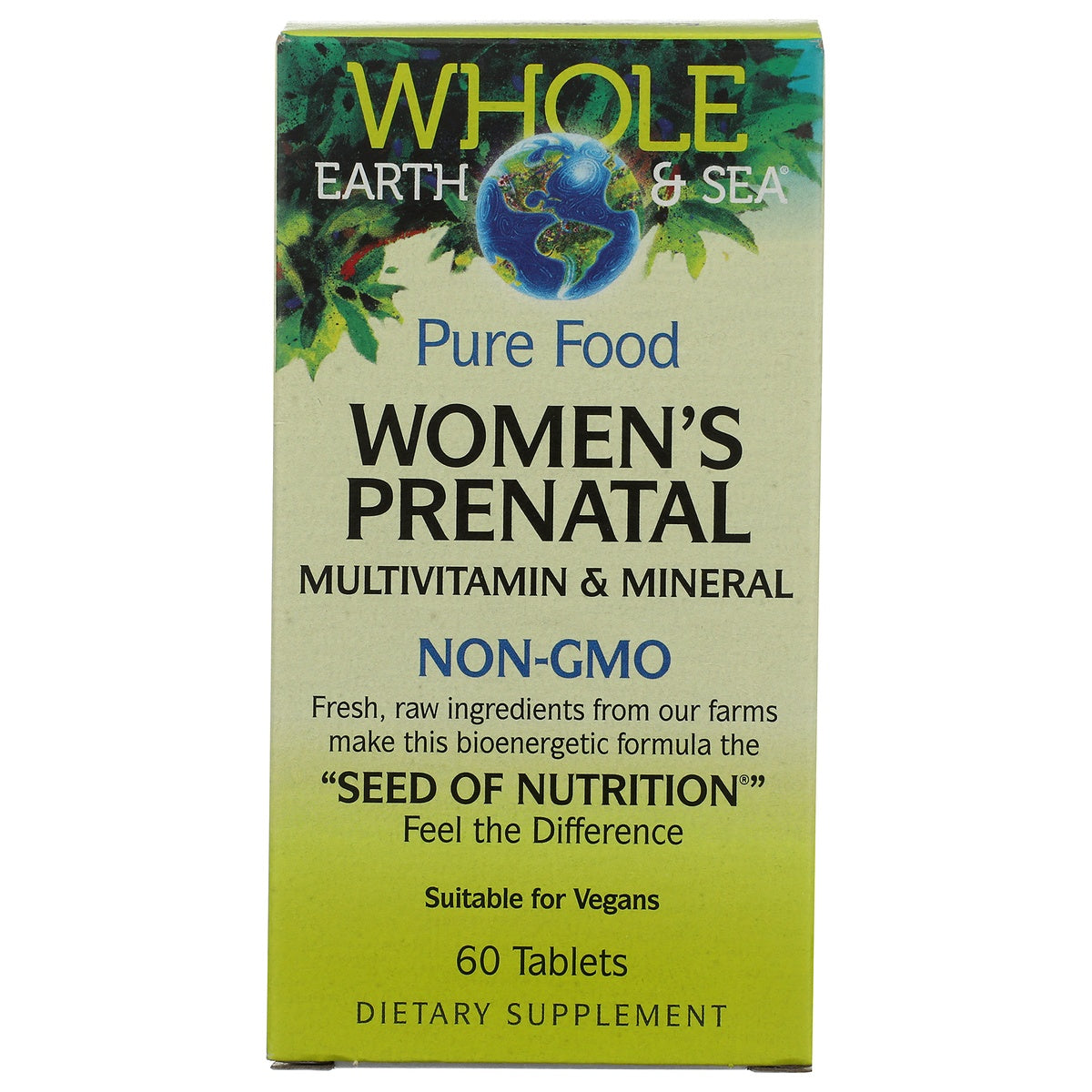

The first months after childbirth can make regular meals feel optional, yet nutrition is closely tied to daily stamina, recovery demands, breastfeeding choices, sleep disruption, and the practical work of caring for a newborn. A useful buying decision begins with food rather than a single supplement: meals should be varied, easy to prepare, and realistic for a household running on short breaks. Breastfeeding parents may also have increased needs for selected nutrients, but individual requirements differ according to diet, health history, feeding method, and professional advice. This guide explains how to assess postpartum nutrition products without turning them into medical promises, then uses 綠恩孅享樂 as a practical example of how to read a product label and match a product to a family’s routine.\n\n## Start with the basics: meals, fluids, and recovery demands\n\nA supplement cannot replace regular nourishment. New parents often do better with simple combinations that can be eaten one-handed or reheated quickly, such as oatmeal with yogurt and fruit, whole-grain toast with eggs, soup with beans or chicken, or rice with vegetables and a convenient protein source. Keeping washed fruit, frozen vegetables, nuts, yogurt, and prepared portions available can make eating more consistent when the baby’s schedule changes unexpectedly. Public health guidance also emphasizes a varied diet, adequate fluids, and rest, while noting that breastfeeding parents may require additional energy and selected micronutrients depending on individual circumstances.\n\nShopping should therefore begin with the household’s actual gaps. If breakfast is frequently skipped, portable foods may matter more than an elaborate supplement routine; if meals are already varied, a product should be judged by its ingredient transparency, directions, serving size, and compatibility with existing supplements. Parents with anemia, restricted diets, thyroid conditions, medication use, pregnancy complications, or breastfeeding-related questions should ask a qualified healthcare professional before adding products. A label can support a decision, but it cannot replace individualized assessment.\n\n## Common myths about postpartum supplements\n\nOne common myth is that a product marketed for energy can compensate for severe sleep deprivation. Nutrition may be part of a sustainable routine, but no capsule can substitute for rest, sufficient food, hydration, or medical care when symptoms are persistent or concerning. Another misconception is that more ingredients automatically mean a better choice. A long ingredient list can make duplication more likely, especially when a parent already uses a prenatal multivitamin, iron, vitamin D, or another targeted product.\n\nA second myth is that breastfeeding automatically makes every supplement suitable. Breastfeeding parents should review the full label, serving instructions, and any herbal or botanical ingredients with a healthcare professional when there is uncertainty. The CDC notes that breastfeeding nutrition involves nutrients such as vitamin B12, folate, vitamin D, iodine, and choline, while needs vary by diet and circumstances. The practical rule is simple: choose based on a clearly defined nutritional situation, not on a promise of rapid transformation, and check for overlapping ingredients before use.\n\n## How to compare a product label\n\nA careful comparison uses four questions. First, what are the named ingredients and amounts per serving? Second, how many tablets are required each day, and can that schedule fit around feeding, naps, and meals? Third, does the product contain ingredients already present in another supplement? Fourth, are storage directions, warnings, and usage information clear enough for the intended user? These details are more useful than judging a product by packaging language or the number of claims on the front of the box.\n\nServing size also deserves attention. 綠恩孅享樂 is listed as 350 mg per tablet, with 20 tablets per box, and the stated use is one tablet once daily. Its listed ingredients include yeast vitamin B complex with NMN, marigold extract with lutein, vitamin C, propolis extract with CAPE, and zeaxanthin. The product information describes 綠恩孅享樂, combining grapefruit, orange, and guarana extracts, and states that no artificial flavors or preservatives are added. Parents should still read the current package label and consider allergies, breastfeeding status, medications, and other supplements before use.\n\n## When 綠恩孅享樂 may fit a routine\n\n綠恩孅享樂 can be considered by adults looking for a daily supplement option that fits a once-a-day habit, including busy office workers, exercise enthusiasts, and health-conscious consumers. For a new parent, the practical appeal is not a claim that it can replace sleep or meals; it is the relatively straightforward routine described on the product information: one tablet daily, taken before or after a meal. A consistent time, such as after breakfast or the first substantial meal, may be easier to remember than a schedule tied to an unpredictable feeding session.\n\nThe product’s ingredient profile is also relevant to label comparison. It combines B vitamins, vitamin C, botanical extracts, lutein, zeaxanthin, and propolis extract with CAPE, while the product description identifies a citrus-and-guarana formula and the absence of artificial flavors or preservatives. Those details can help a shopper compare categories, but they do not establish that the product is appropriate for every postpartum parent. Anyone breastfeeding, taking medication, managing allergies, or already using several supplements should review the label with a pharmacist, doctor, or registered dietitian.\n\n## Choose by need rather than by budget alone\n\nA low-cost decision is not always the most useful decision, and a more complex formula is not automatically the best one. Parents who value minimal daily effort may prioritize a clearly stated once-daily serving and a product that does not duplicate an existing routine. Those who already take a prenatal or postnatal formula may need to focus on ingredient overlap before adding anything else. Parents with a restricted diet or a diagnosed deficiency should prioritize professional guidance and targeted nutrition rather than choosing solely from general wellness messaging.\n\nThe wider household context matters too. If meals are irregular, the first purchase may be easy protein and produce; if hydration is repeatedly forgotten, a refillable bottle placed near the feeding area may be more useful than another supplement. If a parent experiences persistent exhaustion, dizziness, shortness of breath, mood changes, heavy bleeding, or other concerning symptoms, professional evaluation should come before self-directed product selection. Supplements are optional tools within a broader routine, not a substitute for postpartum care.\n\n## A practical checklist for new parents\n\nBefore choosing a postpartum nutrition product, readers can write down current supplements, medications, allergies, dietary restrictions, breastfeeding status, and the main reason for considering a product. The package can then be checked for active ingredients, serving size, daily directions, warnings, and storage instructions. For 綠恩孅享樂, the stated direction is one tablet once daily, and the product information identifies 350 mg per tablet and 20 tablets per box; the current package should remain the final reference for use.\n\nThe best routine is usually the one that is clear, manageable, and consistent with professional advice. A varied eating pattern, convenient prepared foods, enough fluids, and opportunities for rest provide the foundation. Products such as 綠恩孅享樂 may be evaluated as optional additions for adults who understand the label and whose healthcare professional considers the ingredients appropriate. Postpartum nutrition is personal, so careful matching is more reliable than choosing from broad promises or assuming that one formula suits every new parent.
The information in this article is for reference only and does not constitute professional advice. For specific decisions, please consult a relevant professional based on your personal situation.